Tuesday, 3 March 2026

Signs Your AC Is Overworking in Houston Heat and How to Stop It Before It Breaks Down

At 75 Degree AC, we diagnose AC overworking Houston problems every summer before they turn into full system failures. Houston heat is relentless, and most AC systems were never built to handle months of continuous operation at maximum capacity. This guide covers the exact signs to watch for, why they happen here, and what to do before a struggling system becomes a costly replacement.

Why Houston Heat Forces HVAC Systems to Overwork

 75 Degree AC Houston TX sees more service calls during peak summer heat than any other time of year. The urban heat island effect pushes city temperatures well above surrounding areas. AC systems across Houston feel that extra heat load each afternoon from June through September. Houston summers regularly hit 95°F or higher by early June. Southwest facing windows in Houston homes absorb peak afternoon sun and push indoor temperatures up fast. The AC has to work harder just to maintain the temperature set on the thermostat. Newer suburbs like Pearland, League City, and Friendswood have seen a surge in undersized units installed during rapid construction phases. Undersized units strain immediately under peak heat demand. Areas like Humble, Kingwood, and Atascocita add northeast humidity on top of that heat, making conditions even tougher for AC systems. Metal roofing common in newer Houston construction transfers heat directly into attic spaces faster than traditional shingles. That extra attic heat pushes down into living spaces and forces AC systems to run longer. Dense inner loop neighborhoods like Bellaire, West University, and River Oaks sit in some of the hottest urban pockets in the city. Most AC systems are rated for a lifespan of around 15 years. In Houston heat, a system that runs at full capacity without proper service can fail in 8 to 10 years. That is the real cost of an AC system that never gets a break.

Signs AC Is Struggling and Running Constantly in Houston Heat
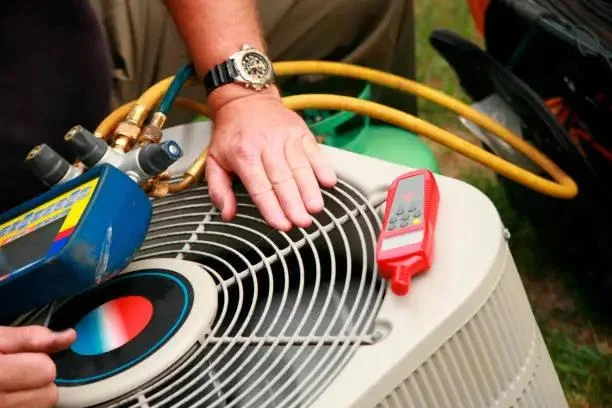
Trusted AC repair and HVAC services in East Houston neighborhoods.

Most AC problems give clear warning signals before a full breakdown happens. Catching these signs early saves Houston homeowners and business owners from expensive repairs and premature replacements. Here is exactly what a struggling system looks like in action.

Your AC Runs Constantly Without Reaching the Set Temperature

An AC running constantly without cooling the space down is one of the clearest signs of AC running constantly Houston homeowners report to us. The system is working at full capacity but cannot overcome the heat load. That gap between effort and result means something inside the system needs attention fast. Delta T (the temperature difference between air entering and leaving the AC coil) should normally sit between 14°F and 22°F. A reading outside that range tells a technician the system is struggling to transfer heat properly. Homeowners can check this themselves with a basic thermometer at the supply and return vents.

Your Electric Bill Has Spiked Without Explanation

A sudden spike in electricity costs without a change in habits is a direct sign of AC strain. CenterPoint Energy customers in Houston often see demand charges (utility penalties for peak electricity use) spike during summer months. Time of use electricity rates mean afternoon AC operation costs more per hour than any other time of day. An overworked AC draws higher amperage (electrical current) than a healthy system. That extra amperage draw shows up directly on the electricity bill every single month. Getting the system checked before the next billing cycle saves real money.

Warm or Lukewarm Air Is Coming From the Vents

Warm air coming from vents while the AC runs is a sign the system is not keeping up with the heat Houston summers produce. The system may be low on refrigerant, have a dirty coil, or be pushing too hard against a heat load it cannot handle. None of those problems fix themselves over time. Superheat and subcooling readings outside normal range confirm the system is struggling. A trained technician can measure these on site and pinpoint the exact cause. Catching refrigerant issues early prevents compressor damage down the road.

Your AC Is Short Cycling

Short cycling means the AC turns on, runs briefly, shuts off, then starts again within minutes. This is one of the most damaging patterns an AC system can fall into during Houston heat. Each start up puts enormous stress on the compressor and motor windings. AC short cycling Houston heat conditions often trace back to an oversized unit, low refrigerant, or a dirty coil blocking airflow. The system hits a false reading and shuts down before completing a full cooling cycle. That pattern repeats dozens of times a day and accelerates wear across the entire system.

Your Circuit Breaker Keeps Tripping

A circuit breaker tripping when the AC runs is not a coincidence. It means the system is drawing more amperage (electrical current) than the circuit can safely handle. That excessive draw is a direct sign the AC is straining under load. A thermal overload protector can also trigger repeated shutdowns. When this happens regularly, the compressor is running too hot to operate safely. Ignoring repeated trips leads to motor winding failure and compressor burnout.

Strange Sounds Are Coming From the Unit

A healthy AC system runs with a steady low hum. Banging, rattling, grinding, or squealing sounds mean mechanical components are failing under stress. These sounds get worse the longer the system runs without attention. Condenser fan motor seizure (when the outdoor fan motor locks up from heat and wear) produces a distinct grinding or screeching sound. A seized fan motor stops heat from leaving the outdoor unit properly. The compressor then overheats and the thermal overload protector shuts the whole system down.

Some Rooms Are Hotter Than Others

Uneven cooling across a home or business is a sign of static pressure problems (air pressure inside ductwork rising when the system is overworked). Some rooms get too much air while others get almost none. The AC runs longer trying to hit the thermostat setting but never balances the space properly. Southwest facing rooms in Houston homes heat up faster than the rest of the property during peak afternoon hours. The AC struggles hardest in those rooms and often cannot keep up. That imbalance forces the whole system to run longer and strain harder across every zone.

Houston-Specific Reasons AC Is Not Keeping Up With the Heat

Houston does not have one climate. It has several micro-climates stacked on top of each other across different neighborhoods and suburbs. An experienced HVAC contractor in Houston understands those differences and diagnoses AC problems with that local knowledge in mind.

Houston Neighborhoods That Put Extra Strain on AC Systems

Dense inner loop neighborhoods like Bellaire, West University, and River Oaks sit inside some of the hottest urban pockets in the city. Buildings, roads, and concrete surfaces trap heat and push outdoor temperatures above surrounding areas. Outdoor AC units in these neighborhoods work against higher ambient temperatures than units in open suburban areas. Newer suburbs like Pearland, League City, and Friendswood grew fast during Houston construction booms. Many units installed during those phases were sized for speed not accuracy. Those homes are now running undersized systems that strain every afternoon from June through September.

Southwest Facing Windows and Metal Roofing Making It Worse

Southwest facing windows in Houston homes take the full force of peak afternoon sun between 2pm and 6pm. That direct sun pushes indoor temperatures up faster than most AC systems can respond. The thermostat reading climbs and the system kicks into overdrive trying to catch up. Metal roofing common in newer Houston construction absorbs heat faster than traditional shingles. That heat transfers directly into attic spaces and pushes down into living areas throughout the afternoon. AC systems in these homes run longer and strain harder than systems under traditional roofing.

Northeast Houston Humidity Adding to the Heat Load

Areas like Humble, Kingwood, and Atascocita sit in the northeast corridor where Gulf humidity compounds the heat load significantly. An AC system in these areas fights both high temperatures and heavy moisture at the same time. That double load accelerates wear on compressors, fan motors, and electrical components faster than heat alone. Most AC systems are designed to handle either high heat or high humidity reasonably well. Handling both simultaneously at peak levels is a different challenge entirely. Systems in northeast Houston corridors age faster and need more frequent attention than systems in drier parts of the city.

What Happens When You Ignore a High Electric Bill and AC Strain

Ignoring a struggling AC system does not make the problem smaller. Every day a strained system runs without attention, the damage compounds. Here is exactly what happens inside an AC unit that keeps running without a fix.

The Compressor Burns Out

The compressor is the most expensive single part inside an AC system. When a system runs at full capacity for extended periods, the compressor overheats and triggers the thermal overload protector (a safety device that shuts the compressor down before it destroys itself). Repeated thermal overload trips weaken the compressor until it fails completely. Compressor burnout is one of the most expensive AC repairs on the market. Replacing a compressor often costs as much as replacing the entire outdoor unit. Most compressor failures are preventable with early diagnosis and a simple service visit.

Motor Winding Failure Shuts the System Down

Motor windings break down under sustained heat and electrical stress. When windings fail, the motor draws excessive amperage and trips the circuit breaker repeatedly. Left alone, that failure spreads to other electrical components across the system. CenterPoint Energy customers in Houston see the impact of motor winding failure directly on their bills. Excessive amperage draw from a failing motor pushes electricity costs higher with each cycle. That pattern continues until the motor fails completely or a technician catches it first.

The System Lifespan Drops Significantly

A well maintained AC system in Houston can last around 15 years. A system that runs overworked and unserviced drops that lifespan down to 8 to 10 years. That is 5 to 7 years of equipment life lost from skipping routine service calls. Warranty coverage on most AC equipment requires proof of regular professional maintenance. Running a system in a strained condition without service voids that warranty in most cases. Losing warranty protection means paying full price for every repair and replacement part out of pocket.

Energy Costs Keep Climbing

Time of use electricity rates mean afternoon AC operation costs more per hour than morning or evening use. A straining system running longer each afternoon pushes Houston homeowners and business owners into higher demand charge brackets. That cost compounds every month across a full Houston summer. HERS rating drops when AC systems run inefficiently. A lower HERS rating affects home value and energy costs long term. Getting the system back to peak efficiency brings those costs back down fast.

How an Experienced HVAC Contractor in Houston Stops AC Short Cycling

Short cycling and AC strain do not fix themselves. There are proven steps an experienced HVAC contractor in Houston takes to get a struggling system back to peak performance. Here is exactly how we at 75 Degree AC approach the problem.

We Start With a Transparent Diagnosis

Every service call at 75 Degree AC starts with a full system diagnosis before any work begins. We check delta T (temperature difference between air entering and leaving the AC coil), static pressure (air pressure inside ductwork), and amperage draw (electrical current the system pulls). That data tells us exactly what is causing the strain before we recommend a single repair. We never recommend work that is not needed. Transparent diagnosis with no surprise charges is how we operate on every single call. Houston homeowners and business owners always know exactly what is wrong and what it will cost before we touch anything.

We Fix the Root Cause 

A system short cycling in Houston heat almost always has an underlying cause. We measure superheat and subcooling (refrigerant readings that confirm system performance) to identify refrigerant issues accurately. Getting refrigerant levels right stops short cycling and reduces strain on the compressor immediately. Static pressure problems inside ductwork cause uneven cooling and force the system to run longer. We test ductwork pressure and airflow balance across every zone in the property. Fixing airflow issues often solves uneven room temperatures without replacing any equipment.

We Carry Parts for Same Day Repairs

Most AC problems do not need a return visit to complete. Our technicians carry brand specific and universal parts on every single service call across Houston. That means same day repairs are confirmed for the majority of common AC problems including capacitors, contactors, and fan motors. Getting the system fixed in one visit matters in Houston summer heat. Every hour a strained system runs without a fix adds wear and cost. Same day repair capability is one of the most practical ways we reduce downtime for Houston homeowners and business owners.

We Recommend Energy Efficient Upgrades 

Some systems are simply past the point where repairs make financial sense. We provide honest recommendations on Energy Star certified replacement units that qualify for utility rebates available for energy efficient HVAC upgrades in Texas. A properly sized replacement unit eliminates short cycling, reduces energy costs, and restores full comfort immediately. Financing is available for system replacements so cost does not become a barrier to getting the right fix. We size every replacement unit using a proper load calculation so the new system fits the property correctly. That process eliminates the undersizing problems common in fast built Houston suburbs from day one.

Full HVAC Services From 75 Degree AC Houston TX

An AC system that keeps struggling through Houston summers needs more than a quick fix. It needs a reliable local HVAC company in Houston TX that understands the climate, knows the equipment, and gets the job done right the first time. That is exactly what 75 Degree AC Houston TX delivers on every single call. 75 Degree AC has been serving Houston homeowners and business owners since 2016. Every major system replacement is attended by our most senior technicians to make sure the job meets our standards. Repeat customers and referrals drive our business because we earn that trust on every visit. We offer full HVAC services for both residential and light commercial properties across the area. That includes AC repair, AC replacement, AC tune up, HVAC inspection, and light commercial HVAC coverage. No matter the size of the property or the complexity of the system, our team handles it. Our technicians carry brand specific and universal parts on every service call. That means same day repairs are confirmed for the majority of AC problems across Houston. One call gets a trained technician to the door fast with the parts needed to fix the problem that day.

Here is what Houston homeowners and business owners get when they call 75 Degree AC:

>Full HVAC services for residential and light commercial properties

>AC repair, AC replacement, AC tune up, and HVAC inspection

>Technicians carry parts for same day repairs

>Transparent diagnosis with no surprise charges before work begins

>100% satisfaction guarantee on every job

>24/7 emergency availability

>Same day and next day service when available

>5 star rated on Google with 101+ verified reviews

Do not let a struggling AC system run through another Houston summer without attention. Call 75 Degree AC right now at (713) 598-2737. The team is ready to diagnose, repair, and restore full comfort today.

Frequently Asked Questions

How do I know if my AC is overworking in Houston?

The clearest signs are an AC running constantly without reaching the set temperature, a spiking electric bill, and warm air coming from vents during peak afternoon heat. Delta T (temperature difference between supply and return air) falling outside the 14°F to 22°F range confirms the system is struggling. Call 75 Degree AC for a transparent diagnosis with no surprise charges.

Why does my AC run all day but never cool my house down in Houston?

An AC running all day without cooling properly is almost always fighting a load it cannot handle alone. The cause is usually an undersized unit, low refrigerant, dirty coils, or ductwork with high static pressure (air resistance inside ducts blocking proper airflow). A full system diagnosis from an experienced HVAC contractor in Houston identifies the exact cause and fixes it the same day in most cases.

What happens to my AC compressor when it overworks in Houston heat?

An overworked compressor triggers the thermal overload protector (safety device that shuts the compressor off when it overheats) repeatedly until the component fails completely. Compressor burnout is one of the most expensive AC repairs available and often costs as much as full outdoor unit replacement. Getting the system checked at the first sign of strain prevents compressor damage before it reaches that point.

Why does my circuit breaker keep tripping when my AC runs?

A tripping circuit breaker means the AC is drawing more amperage (electrical current) than the circuit can safely handle. This happens when a compressor or fan motor is failing under heat stress and pulling excessive current to keep running. Repeated trips without service lead to motor winding failure and full system shutdown.

Can an oversized AC still overwork in Houston heat?

Yes. An oversized AC short cycles (turns on and off too quickly) because it cools the space too fast without removing enough humidity. That short cycling pattern puts repeated stress on the compressor and motor windings on every single start up. Houston homes with oversized units often feel cool but sticky, and the system ages much faster than a properly sized unit would.

How often should I service my AC in Houston to prevent overworking?

Most Houston homes and businesses need a professional AC tune up at least once a year before summer begins. Systems in high demand areas like Humble, Kingwood, Bellaire, and inner loop neighborhoods benefit from twice yearly service visits. Regular AC tune up Houston visits catch delta T issues, refrigerant levels, and amperage draw problems before they turn into emergency repairs.


from 75Degree AC https://ift.tt/2kdxnma
via IFTTT

Houston Humidity: How It Damages HVAC Systems and What to Do About It

At 75 Degree AC, we see how humidity and HVAC Houston problems go hand in hand every single summer. Houston air is thick, wet, and relentless from May through October, and HVAC systems carry the full weight of that moisture every day. This guide explains exactly how humidity damages AC systems, what warning signs to watch for, and what Houston homeowners and business owners can do about it.

Why Houston Humidity Creates So Many HVAC Maintenance Problems

Houston air is loaded with moisture. The city sits near Galveston Bay, and sea breezes push Gulf moisture inland every day. HVAC systems across the area have to fight that moisture from the moment they turn on. The bayous make things worse. Buffalo Bayou, Brays Bayou, and White Oak Bayou run through the heart of the city. All that open water adds even more moisture to the air around homes and businesses across the area. Houston is also flat. Flat land cannot drain moisture away naturally. That wet air sits over the city and builds up all summer long. Relative humidity (moisture in the air) regularly hits 90% or higher on Houston mornings. That is like living inside a wet sponge. HVAC systems have to pull all that water out of the air just to keep indoor spaces comfortable. Most AC systems in drier cities have an easy job. Here the moisture never stops coming. Systems run longer and work harder than they were ever designed to handle.

How High Humidity Causes AC Repair Problems in Houston Over Time

Expert HVAC solutions for commercial properties in East Downtown, Houston, TX

Most people think humidity just makes the air feel sticky. The truth is that too much moisture slowly destroys parts of an HVAC system. Here is what happens inside AC equipment when humidity stays too high for too long.

Mold and Algae in the Drain Line

The AC pulls moisture out of the air and sends it through a drain line. When humidity is high, that drain line stays wet and warm almost constantly. Algae and mold grow inside it fast, and a blocked drain line causes water to back up and overflow.

Microbial Growth Inside Ductwork

When indoor humidity climbs above 60%, microbial growth (mold and bacteria) starts forming inside ducts. Those ducts carry air to every room in a home or business. Mold spores then travel through the air supply all day long.

Rust and Corrosion on Electrical Parts

Moisture and metal do not mix well. High humidity causes rust and corrosion on AC electrical components over time. Corroded parts fail faster and cost more to replace.

Dust Mites Multiplying Indoors

Dust mite colonies explode in number when indoor humidity stays above 50%. They trigger allergies, asthma, and breathing problems. Controlling humidity is one of the most effective ways to reduce dust mites in a home or business.

Wood Rot and Structural Damage

Persistent moisture causes wood rot and structural warping in walls, floors, and ceilings. Older homes in neighborhoods like The Heights are especially vulnerable because building envelopes were never fully sealed. Moisture wicks up through concrete and works into every corner of the structure.

Attic Mold From Humid Air

Warm humid air rises. When ceilings are not properly sealed, that air pushes up into the attic and gets trapped. Attic mold forms quickly in those conditions and spreads silently for months before most homeowners or business owners notice it.

Signs Air Conditioning Humidity Control in Houston Is Failing

AC systems give clear signals when losing the fight against moisture. Catching these signs early saves Houston homeowners and business owners from bigger damage down the road. Here is what to watch for inside a home or business.

Home Still Feels Sticky Even With the AC Running

This is the most common complaint we hear. The AC is running but the air still feels heavy and damp. That means the system is cooling the air but not removing enough moisture from it.

Condensation on Windows

Condensation on the inside of windows means the air inside a home is too humid. The AC should be removing that moisture before it settles on surfaces. Window condensation is a clear sign the system is struggling.

Musty Smell Coming From Vents

A musty smell coming from vents almost always means mold or mildew is growing somewhere inside the system. That smell travels through ducts and spreads through every room. Do not ignore it.

AC Runs Constantly but Never Feels Comfortable

When an AC runs for long stretches without making the air feel better, humidity is usually the reason. The system is working hard on temperature but cannot keep up with the moisture load. This is one of the clearest signs of AC not removing humidity Houston homeowners and business owners experience.

Wet Spots or Water Stains Near the Indoor Unit

Water pooling around an indoor unit means the drain line is blocked or overwhelmed. A blocked drain line is a direct result of heavy humidity and algae buildup. Left alone, that water damages floors, walls, and the unit itself.

Allergies or Asthma Feel Worse Indoors

High indoor humidity feeds dust mites and mold spores. Both are powerful allergy and asthma triggers. When symptoms feel worse inside than outside, indoor humidity levels in Houston are likely too high.

Walls or Ceilings Feel Damp to the Touch

Damp walls mean moisture is moving through a home’s structure. This happens when indoor humidity stays high for weeks without being controlled. It is a warning sign that damage to walls and ceilings may already be starting.

What Every Houston Homeowner Should Know About Indoor Humidity Levels

Most people never think about humidity levels inside a home. They just know something feels wrong. Here is a simple breakdown of what indoor humidity should actually look like. High humidity is not just a comfort issue. It causes real damage to HVAC systems, indoor air quality, and the structure of a home or business. Getting familiar with humidity numbers is the first step to fixing the problem for good.

The Target Range Is 45% to 55%

Most HVAC professionals recommend keeping indoor humidity between 45% and 55%. Below 45% and the air starts to feel dry and uncomfortable. Above 55% and moisture problems start building up fast.

Above 60% Is Where Real Damage Starts

When indoor humidity climbs above 60%, microbial growth starts forming inside ductwork. Dust mite colonies multiply and mold spores spread through the air supply. That is where homes and businesses across the area start seeing real health and structural problems.

Houston Outdoor Humidity Makes Indoor Control Hard

Outdoor humidity here regularly sits above 75% on summer afternoons. Every time a door opens, that moisture floods into a home or business. The AC has to work overtime just to pull it back down to a safe level.

Standard AC Alone May Not Be Enough

A standard AC removes moisture as a side effect of cooling the air. This process uses latent heat (moisture removal energy) and works fine in drier cities. Here the moisture load is often too heavy for a standard system to handle alone.

A Humidistat Helps Track Indoor Levels

A humidistat (humidity sensor and controller) takes the guesswork out of moisture control. It works like a thermostat but for humidity instead of temperature. Some smart thermostats come with a built-in humidity display so indoor levels are always visible.

The Dew Point Tells You More

The dew point (temperature where moisture forms on surfaces) is another useful number to watch. When it climbs above 65°F outside, indoor spaces feel muggy no matter what the thermostat says. Houston regularly sees dew points above 70°F during summer months.

How a Trusted HVAC Contractor in Houston Tackles Humidity Problems

As an expert HVAC contractor in Houston, we do not just diagnose humidity problems. We fix them fast and make sure they stay fixed.  We fix them fast and make sure they stay fixed. Here is exactly how we help Houston homeowners and business owners take control of indoor moisture. Humidity damage builds up quietly over weeks and months. By the time most people notice something is wrong, the system has already taken a hit. We catch those problems early and stop them before they turn into expensive repairs.

We Set the AC Fan to Auto

Most thermostats have two fan settings. Auto and On. We always set the fan to Auto so it only runs when the AC is actively cooling. Running the fan on On pushes moisture back into the air before the drain line can remove it.

We Flush the Drain Line on Every Maintenance Visit

The drain line carries moisture away from the AC system. When algae and mold block it, water backs up and humidity rises fast. We include drain line flushing in every maintenance visit so Houston homes and businesses never deal with that problem.

We Install Whole Home Dehumidifiers That Actually Work

A whole home dehumidifier works alongside the AC to pull extra moisture out of every room. It runs around the clock and keeps indoor humidity in the safe zone all summer long. Every dehumidifier installation Houston homeowners and business owners book is handled by our most experienced HVAC technicians from start to finish.

When to Call 75 Degree AC for Humidity and HVAC Help

Humidity problems do not fix themselves. The longer the wait, the more damage moisture does to the system, air quality, and the property. The right move is to call a local team that understands Houston humidity and HVAC problems inside and out. 75 Degree AC Houston TX is a trusted HVAC company in Houston TX that has been serving homeowners and business owners since 2016. Every major install handled by experienced HVAC technicians  The team handles everything from routine maintenance visits to full whole home dehumidifier installation. Every job comes with a 100% satisfaction guarantee. Financing is available for system replacements and major equipment upgrades. No Houston homeowner or business owner should ever have to put off a fix because of the upfront cost. Humidity and moisture problems do not wait for business hours. Our team is available 24 hours a day, 7 days a week for emergency HVAC help. One call gets a trained technician to the door fast. 75 Degree AC serves homes and businesses across Houston and the surrounding areas. That includes Katy, Sugar Land, Cypress, The Woodlands, Spring, and Pasadena. No matter where a property is located across the area, the team is close by and ready to help.

Here is what Houston homeowners and business owners get when they call 75 Degree AC:

Full HVAC services for residential and commercial properties

Whole home dehumidifier installation

Drain line flushing included in maintenance visits

24/7 emergency availability

100% satisfaction guarantee

Financing available for system replacement

Same day and next day service when available

5 star rated on Google with 101+ verified reviews

Do not let Houston humidity quietly damage an HVAC system, air quality, or a home or business. Call 75 Degree AC right now at (713) 598-2737. The team is ready to help today.

Frequently Asked Questions

Why does a house feel humid even when the AC is running in Houston?

The AC cools the air but may not be removing enough moisture from it. This happens when a system is oversized, short cycling (turning on and off too quickly), or when outdoor humidity is simply too heavy for a standard AC to handle alone. A whole home dehumidifier or a humidistat helps solve this problem for good.

What is the ideal indoor humidity level for a Houston home?

The ideal indoor humidity level for a Houston home or business is between 45% and 55%. Above 60% and mold growth, dust mite colonies, and structural damage start appearing. Keeping humidity in that target range keeps the air clean, the system healthy, and the property protected.

Can high humidity damage an HVAC system?

Yes. High humidity causes algae and mold to grow inside the condensate drain pan (the tray that catches water from the AC). It also causes rust and corrosion on electrical components and microbial growth inside ductwork. Getting regular HVAC maintenance Houston helps catch moisture damage before it becomes a costly repair.

Do Houston homes need a whole home dehumidifier?

Most Houston homes and businesses benefit greatly from a whole home dehumidifier. A standard AC system was not built to handle the level of moisture the area produces from May through October. A whole home dehumidifier works alongside the AC and keeps indoor humidity levels in the safe zone around the clock. Call 75 Degree AC at (713) 598-2737 to ask about dehumidifier installation Houston.

What is a humidistat and is one needed in Houston?

A humidistat is a device that reads and controls the moisture level in indoor air. It works like a thermostat but for humidity instead of temperature. Houston homes and businesses that install a humidistat can monitor indoor humidity levels and automatically trigger dehumidification when moisture climbs too high.

How does short cycling make humidity worse in Houston homes?

Short cycling means the AC turns on and off too quickly without completing a full cooling cycle. Most moisture gets removed during the middle and end of each cycle. When the system shuts off too early, that moisture stays in the air and indoor spaces feel sticky and uncomfortable all day long.


from 75Degree AC https://ift.tt/OR2zAqn
via IFTTT

The Real Reasons AC Units Fail in Houston Summers and When to Call for AC Repair

At 75 Degree AC, we handle AC repair in Houston, TX every single summer, and we see the same problems over and over again. Summers are brutal on air conditioners, with temperatures hitting 95°F and humidity pushing past 90% most mornings. This guide explains exactly why AC units fail here, what warning signs to watch for, and how to keep your home cool all season long.

Why Houston’s Climate Causes So Much Air Conditioning Repair Every Summer

Houston summers are not normal. Temperatures regularly hit 95°F or higher, and the heat index can push past 110°F. George Bush Intercontinental Airport recorded an all-time high of 109°F, a reminder of just how extreme it can get. Your AC has to work twice as hard just to keep up. Houston also sits close to the Gulf of Mexico. That means morning humidity can exceed 90% during summer months. The average annual humidity across the city is around 75%, and your AC feels every bit of it.

Most cities get a break from the heat at night. Harris County, Fort Bend County, and Montgomery County all record over 102 days per year at or above 90°F. Your AC runs almost nonstop from May through October. The attics make things even worse. Attic temperatures in homes get high in summer. That extreme heat puts pressure on your ducts and your whole system.

The city sits in a humid subtropical climate zone. Gulf Coast storm season runs from May to October and brings power surges and flooding. Outdoor AC units deal with flash flooding, debris, and storm damage every single year.

The Most Common Reasons Your AC Is Not Cooling Your Houston Home

Trusted HVAC services in Meyerland and surrounding neighborhoods

Clogged Air Filters

Your air filter catches dust, dirt, and debris before it enters your AC system. When the filter gets too dirty, air cannot flow through it properly. Your AC then works harder than it should, and that extra strain causes breakdowns.

A clogged filter is one of the easiest problems to prevent. Most of the homes need their filters changed every 30 to 60 days during summer. Staying on top of AC maintenance Houston keeps your filter clean and your system running smoothly. Signing up for an AC maintenance plan means a trained HVAC professional handles this for you on a set schedule so nothing gets missed.

Low Refrigerant Levels

Refrigerants must stay at the right level. When levels drop too low, your AC blows warm air instead of cold. Your home stays hot no matter how low you set the thermostat.

Low refrigerant almost always means you have a leak somewhere in the system. This is not a problem you can fix yourself. You need a licensed technician to find the leak, seal it, and recharge your system properly.

Ignoring low refrigerant damages your compressor. Replacing a compressor can cost as much as replacing the whole unit. Scheduling AC repair in Houston,TX early saves you from a much bigger bill later.

Frozen Evaporator Coils

Your evaporator coil needs steady airflow to work. When airflow is blocked or refrigerant is low, the coil gets too cold and freezes over. A frozen coil cannot absorb heat, so your AC stops cooling your property.

You might notice ice forming on your indoor unit or warm air coming from your vents. Turn your AC off immediately to let the coil thaw. Running a frozen system causes serious damage to the compressor.

Getting a regular AC tune up Houston helps catch the conditions that cause coils to freeze. A technician will check airflow, refrigerant levels, and coil condition before summer starts. Catching these issues early keeps your system running through the hottest months.

Failing Capacitors and Contactors

A capacitor takes a beating in Houston summers. Extreme heat wears capacitors down faster than in cooler climates. When a capacitor fails, your AC simply will not turn on. A contactor can also burn out from heavy use. You might hear a clicking or humming sound coming from your outdoor unit. That sound often means a contactor is struggling or has already failed.

Both parts are small, but their failure stops your whole system cold. This kind of sudden breakdown is exactly when you need emergency AC repair Houston. Our team at 75 Degree AC responds fast so your home & business does not stay hot for long.

Overloaded Condenser Units

Your condenser unit works in direct sunlight all summer long. In Houston, TX that means it runs in extreme heat for months without a real break. Over time, that constant workload causes parts to wear out faster.

Dirt, grass clippings, and debris collect around the condenser and block airflow. When the unit cannot release heat properly, it overheats and shuts down. Keeping the area around your condenser clean helps it breathe and run better.

A professional HVAC inspection Houston catches condenser problems before they turn into full breakdowns. Our technician will clean the coils, check electrical connections, and make sure the unit is running safely. Catching condenser issues early is far cheaper than replacing the whole outdoor unit.

Houston HVAC Problems Every Local Contractor Sees Every Summer

Attic Heat and Duct Failure

Most Houston homes store their ductwork in the attic. During summer, attics can reach temperatures between 130°F and 150°F. That extreme heat damages duct insulation and causes ducts to crack, sag, and separate at the joints.

When ducts leak, cool air escapes into your attic instead of reaching your rooms. Your AC runs longer trying to hit the temperature you set. Your energy bill goes up and your home stays uncomfortable no matter how hard your system works.

Older homes built before the 1990s are especially at risk. The original ductwork in these homes was not built for today’s heat demands. Scheduling air duct cleaning Houston and a duct inspection helps you find leaks before they quietly drain your system all summer. Leaking ducts also pull unfiltered attic air into your home, which directly affects indoor air quality homeowners often overlook until allergy symptoms start.

Summer Storms and Power Surges

The city sees around 60 thunderstorms every single year. Those storms bring lightning, power outages, and sudden voltage spikes called power surges . A single power surge can fry your AC’s circuit board in seconds.

The ERCOT power grid that serves most of the city also struggles under peak summer demand. Grid strain causes brief outages and voltage fluctuations that wear down AC electrical components over time. Most homeowners do not realize storm damage is hurting their AC until the system stops working completely.

Flash flooding is another Houston-specific threat that most people overlook. Floodwater can reach outdoor condenser units and damage electrical parts, fan motors, and wiring. After any major storm, it is smart to have a technician check your outdoor unit for hidden damage.

Getting HVAC repair Houston after storm season catches electrical damage early. A licensed technician can inspect your circuit board, electrical connections, and outdoor unit for storm-related wear. Fixing small electrical issues now prevents a full system failure on the hottest day of the year.

Improperly Sized Units for Houston Homes

A lot of homeowners do not know their AC might be the wrong size for their home. An undersized unit runs nonstop and never fully cools the house. An oversized unit (one that is too big) short cycles, meaning it turns on and off too quickly without removing enough humidity.

The humidity makes short cycling especially damaging. Your AC removes moisture from the air as it runs. When the system shuts off too soon, that moisture stays in your property and makes everything feel sticky and uncomfortable.

Proper AC sizing uses a process called a load calculation. Many older installations skipped this step entirely. That means thousands of homes are running units that were never right for them in the first place.

Slab foundation homes have unique airflow needs that affect sizing too. Getting the right size unit installed correctly makes a huge difference in comfort and energy costs. Talk to our team about AC installation Houston to make sure your next unit is sized right for your home.

Warning Signs You Need AC Repair or a New AC Unit in Houston

Your AC usually gives you warning signs before it stops working completely. Catching these signs early can save you from a full breakdown on the hottest day of the summer. Here is what to watch for in your Houston home.

  • Your AC Is Blowing Warm Air

This is the most obvious sign something is wrong. Your vents should always push out cool air when your AC is running. Warm air usually means low refrigerant, a frozen coil, or a failing compressor.

  • Your Energy Bill Suddenly Jumps Up

A higher electric bill without a change in your habits is a red flag. Your AC is working harder than it should to cool your home. That extra effort almost always points to a problem inside the system.

  • Your AC Is Short Cycling

Short cycling means your AC turns on and off every few minutes instead of running full cycles. This puts enormous stress on your compressor (the heart of your AC system). Homeowners often ignore this sign until the compressor fails completely.

  • You Hear Strange Noises From Your Unit

A healthy AC runs quietly in the background. Banging, grinding, squealing, or rattling sounds are not normal. These noises often mean a fan motor, blower motor, or loose part is failing inside your system.

  • You Notice Warm or Humid Spots in Home

Some rooms feeling warmer or stickier than others is a sign of trouble. It usually points to duct leaks, poor airflow, or an undersized unit struggling to keep up. That extra humidity makes every problem feel worse inside your house.

  • Water or Ice Around Your Indoor Unit

A little condensation is normal, but pooling water or visible ice is not. Ice on your evaporator coil (the part that absorbs heat from your air) means airflow is blocked or refrigerant is low. Left alone, this leads to compressor damage and a much bigger repair bill.

  • Weak Airflow From Your Vents

Hold your hand near a vent while your AC runs. The air should feel strong and steady. Weak airflow points to a clogged filter, a failing blower motor, or leaking ducts somewhere in home.

  • Your AC Is More Than 10 to 15 Years Old

Age matters a lot in Houston. An AC system that runs nonstop for months every year wears out faster than in cooler cities. Older units lose efficiency, break down more often, and cost more to run each summer, at that point AC replacement Houston is often the smarter investment over another repair.

Noticing any of these signs in your home & property means it is time to act. Do not wait for a full breakdown in the middle of a heatwave. Homeowners searching for HVAC repair near me trust 75 Degree AC to respond fast and fix the problem right. Schedule an AC inspection today and catch the issue before it gets worse.

How to Avoid AC Breakdowns With HVAC Maintenance in Houston

The best way to handle AC failure in Houston is to stop it before it starts. Most summer breakdowns are not sudden, they build up from small issues that go unchecked through spring. 

A few simple steps before June arrives can keep your system running all season long.

Change your air filter every 30 days during summer. Clear debris and vegetation from around your outdoor condenser unit. Check that all your vents are open and unblocked.

Scheduling a professional AC tune up Houston before Memorial Day is the smartest move you can make. An experienced technician will inspect your coils, check refrigerant levels, test your capacitors, and clear your condensate drain line. Systems that get a pre-summer checkup give out far less than systems that go into summer unchecked.

When to Call 75 Degree AC for AC Repair in Houston

Houston summers do not give you time to wait and see. When your AC starts showing problems, every hour of delay makes your property hotter and the repair bigger. The right move is to call a trusted local HVAC contractor who knows systems inside and out.

75 Degree AC has been serving Houston homes & business since 2016. We are a licensed HVAC contractor & locally owned. Our technicians work on Houston AC systems every single day, so we know exactly what fails, why it fails, and how to fix it fast.

We handle everything from routine repairs to full system replacements. No matter the brand, the age, or the problem, our team gets it cooled again. When you need AC repair Houston or air conditioning repair Houston, we are the best HVAC company you can count on.

We also know that AC systems do not always fail during business hours. A breakdown at 9pm on a Friday in July is just as urgent as one on a Monday morning. That is why we offer emergency AC repair Houston with 24/7 availability so you are never left sweating through the night. We serve homeowners & businesses across Houston and surrounding areas including Katy, Sugar Land, Cypress, The Woodlands, Spring, and Pasadena.

Here is what you get when you call 75 Degree AC:

  • Licensed, certified HVAC technicians
  • Fast response times across Houston
  • Honest diagnosis before any work begins
  • Clear pricing with no hidden fees
  • $85 service fee waived when a repair is completed
  • Free estimates on full system replacement
  • Same-day and next-day service when available

Do not let a failing AC turn your Houston home into a sauna. Call 75 Degree AC right now at (713) 598-2737. We are ready to help you today.

Frequently Asked Questions

What are the most common reasons AC units fail in Houston summers?

The most common reasons AC units fail in Houston are clogged air filters, low refrigerant, failing capacitors, and overloaded condenser units. Houston’s extreme heat and humidity push AC systems harder than in most other cities. Systems that skip regular maintenance break down faster because small problems build up over time. Scheduling AC maintenance Houston before summer starts is the best way to avoid a breakdown.

How do I know if my AC needs repair or full replacement?

Your AC likely needs repair when it has one specific problem like a bad capacitor, a refrigerant leak, or a frozen evaporator coil. Replacement makes more sense when your system is over 15 years old, breaks down repeatedly, or cannot keep up with Houston summers anymore. A good rule of thumb: repairs costing more than half the price of a new unit make replacement the smarter choice. A licensed technician can give you an honest answer after a full system inspection.

How much does AC repair cost in Houston?

Most AC repairs in Houston range from a few hundred dollars for simple fixes to over a thousand dollars for major component replacements. At 75 Degree AC, our standard service fee is $85 and covers full system diagnostics. That fee is waived completely when you move forward with a repair. For a clear and honest quote, call us at (713) 598-2737 or book your AC repair in Houston, TX online today.

Why do AC units in Houston break down faster than in other cities?

AC units in Houston stop working because they run almost nonstop for five to six months every year. Harris County records over 102 days per year at or above 90°F, and morning humidity regularly exceeds 90%. That kind of constant demand wears out parts like capacitors, fan motors, and compressors much faster than in cooler climates. Houston attic temperatures reaching 130°F to 150°F add even more stress to ductwork and the overall system.

What should I do first when my AC stops working in Houston?

Turn your AC system off at the thermostat right away to prevent further damage to the compressor. Check your air filter and circuit breaker first since a clogged filter or tripped breaker is sometimes the only problem. Do not keep resetting the system repeatedly, as this can cause serious damage to electrical components. Call 75 Degree AC or book emergency AC repair Houston and we will get a technician to your home fast.


from 75Degree AC https://ift.tt/zhY12pL
via IFTTT

Saturday, 28 February 2026

Trinity Houston Gardens Houston TX Sits in Houston’s Extreme Heat and Flood Triple Threat Zone Here Is How Our HVAC Contractor Prepares Your Home for Both

Introduction: 

Every Houston neighbourhood faces the city’s demanding climate. The summer heat. The humidity. The storm season brings flooding risks to communities across the metro area. But not every Houston neighbourhood faces all of those challenges simultaneously and with the intensity that Trinity and Houston Gardens residents experience year after year.

Trinity / Houston Gardens sits in a part of northeast Houston that researchers and resilience planners have specifically identified as one of the city’s most climate-exposed communities, a neighbourhood where extreme heat, serious flood risk, and compromised air quality converge in ways that create genuine, compounding challenges for the people who live here. The 54 percent of homes that flooded during Harvey were not just statistics. They were families in this specific community dealing with the worst that Houston’s climate delivers all at once.

For homeowners in Trinity and Houston Gardens that climate reality has direct implications for every system in their home and none more so than the HVAC system that is responsible for keeping the indoor environment safe, comfortable, and healthy through all of it. As an HVAC Contractor serving Trinity / Houston Gardens, Houston, TX our team at 75 Degree AC has built our service approach for this neighbourhood around the specific triple threat its residents face. This post explains exactly what that means in practice and what we do differently here because of it.

Understanding the Triple Threat: What Trinity Houston Gardens Actually Faces

Trusted commercial HVAC services in Meyerland

Before we get into specific HVAC recommendations it is worth being direct about what the triple threat designation actually means for Trinity and Houston Gardens residents because understanding the problem is the foundation of understanding the solution.

Extreme Heat That Exceeds Houston’s Already Demanding Average

Trinity / Houston Gardens sits in a part of Houston where the urban heat island effect is particularly pronounced. The neighbourhood’s older housing stock, significant impervious surface area, limited tree canopy in many sections, and industrial activity in the surrounding east Houston corridor all contribute to ambient temperatures that regularly exceed Houston’s already high baseline during summer months.

For residential HVAC systems this elevated ambient temperature environment is genuinely demanding. Air conditioners are rated for efficiency and cooling capacity at standard outdoor temperature conditions. When outdoor temperatures consistently exceed those standard conditions as they do regularly in Trinity and Houston Gardens during Houston’s peak summer weeks systems work harder, run longer, consume more electricity, and experience accelerated component wear compared to what their specifications would predict in a standard operating environment.

An HVAC system that is adequately sized for a Houston home in a cooler neighbourhood may be genuinely undersized for the same square footage in Trinity and Houston Gardens simply because of the elevated ambient temperature conditions it operates in. Our team factors this into every sizing recommendation and replacement assessment we perform in this neighbourhood.

Flooding That Damages HVAC Systems in Ways That Take Years to Fully Manifest

Harvey’s impact on Trinity and Houston Gardens was devastating and well documented. But the HVAC story of post-Harvey Trinity and Houston Gardens is not just about the homes that were visibly destroyed and fully rebuilt. It is about the homes that were repaired sometimes quickly and under enormous financial and emotional pressure where the HVAC damage was addressed at the surface level without the thorough component assessment and remediation that flood-exposed systems actually require.

Flood water that reached air handlers, ductwork, and electrical components in Trinity and Houston Gardens homes during Harvey left behind contamination, corrosion acceleration, and moisture infiltration that does not always manifest as immediate system failure. Instead it shows up as premature component failures in the years following the flood event capacitors corroding from the inside, control board connections developing intermittent faults from moisture-induced oxidation, duct lining harbouring biological growth that established itself in contaminated flood water and was never fully eliminated.

Our HVAC contractor performs post-flood HVAC assessments that go significantly deeper than checking whether the system turns on. We look at the corrosion state of electrical connections, the biological contamination status of duct systems, the integrity of refrigerant circuits that may have been compromised by flood water infiltration, and the overall condition of components that flood water contact accelerates the degradation of even when that degradation is not yet visible as an obvious failure.

Air Quality Challenges That Your HVAC System Is the First Line of Defence Against

Trinity and Houston Gardens’ position in Houston’s northeast industrial corridor means the neighbourhood’s outdoor air carries pollutant loads that are meaningfully higher than in residential areas further from industrial activity. The Ship Channel, nearby refinery and petrochemical operations, and heavy freight corridor traffic all contribute to outdoor particulate levels, volatile organic compound concentrations, and industrial emission exposure that directly affect the air quality inside Trinity and Houston Gardens homes.

For residents with respiratory conditions, children, elderly family members, or anyone whose health is already affected by the neighbourhood’s environmental challenges, the HVAC system is not just a comfort appliance. It is the primary barrier between the outdoor air quality conditions and the indoor environment where the family spends most of its time. An HVAC system with inadequate filtration, contaminated ductwork, or compromised air handling performance in Trinity and Houston Gardens is not just an inconvenience. It is a genuine health infrastructure failure.

How Our HVAC Contractor Addresses the Heat Threat in Trinity Houston Gardens

System Sizing That Accounts for Elevated Ambient Conditions

Standard HVAC system sizing calculations use design temperature assumptions that may underestimate the actual peak conditions Trinity and Houston Gardens homes experience during Houston’s most extreme summer weeks. Our team performs load calculations for this neighbourhood that specifically account for the elevated ambient temperature conditions of the urban heat island environment ensuring replacement systems are sized for the actual conditions your home faces rather than the average conditions a standard calculation assumes.

An undersized system in Trinity and Houston Gardens does not just fail to keep the home comfortable during peak heat. It runs continuously without ever satisfying the thermostat consuming electricity constantly, accumulating wear on every component simultaneously, and typically failing at the worst possible moment when the outdoor temperature is highest and the system has been running without adequate recovery time for days.

Equipment Selection Rated for High Ambient Operating Conditions

Not all HVAC equipment performs equally at elevated outdoor temperatures. Some systems show significant efficiency and capacity degradation when outdoor temperatures push above 95°F exactly the conditions Trinity and Houston Gardens experience regularly. Our team specifically evaluates equipment performance ratings at high ambient temperatures when recommending systems for this neighbourhood prioritising equipment that maintains its cooling capacity and efficiency at the elevated temperatures this community actually faces rather than only at the standard rating conditions manufacturers typically emphasise.

Shade and Airflow Assessment for Outdoor Units

Condenser units in Trinity and Houston Gardens that are exposed to direct afternoon sun without adequate shade operate at a meaningful efficiency disadvantage compared to units with good solar shading. Our assessments for this neighbourhood specifically evaluate condenser placement and shade conditions and include recommendations for improving the thermal environment around outdoor units where practical because in a neighbourhood with Trinity and Houston Gardens’ ambient temperature conditions every degree of improvement in the condenser’s operating environment translates directly into efficiency and longevity.

How Our HVAC Contractor Addresses the Flood Threat in Trinity Houston Gardens

Pre-Flood Season System Assessment and Preparation

The most effective flood preparation for Trinity and Houston Gardens HVAC systems happens before the flooding arrives, not after. Our team recommends a pre-storm-season assessment each spring that specifically evaluates the flood vulnerability of each system component and implements practical protective measures where possible.

This assessment covers the elevation of electrical disconnects and control components relative to the property’s historical flood water levels, the condition of outdoor unit mounting that affects whether a unit can be temporarily elevated if flood warning is received, the sealing condition of ductwork entry points that represent flood water infiltration pathways into the system, and the overall condition of components that flood water exposure would most severely damage allowing us to prioritise any necessary pre-season repairs before a storm event makes them more urgent and more expensive.

Post-Flood Assessment Protocol That Goes Beyond the Surface

When Trinity and Houston Gardens homes experience flooding our team’s post-flood HVAC assessment covers a significantly more thorough checklist than simply verifying the system operates. We assess every electrical connection point for corrosion and moisture infiltration damage. We evaluate ductwork for biological contamination using the category of flood water which in Trinity and Houston Gardens typically involves bayou overflow carrying sewage and industrial contaminants as a key factor in the remediation recommendation. We check refrigerant circuit integrity for signs of moisture infiltration. And we document all findings in writing specifically to support insurance claim processes that Trinity and Houston Gardens homeowners navigate after major flood events.

Ductwork Remediation After Flood Exposure

Ductwork contaminated by the category three flood water that Trinity and Houston Gardens experiences during major events is one of the most important post-flood HVAC decisions homeowners in this community face. Contaminated duct lining that is sealed over and returned to service distributes whatever biological growth has established itself throughout every room in the home every time the system runs. Our team is direct with Trinity and Houston Gardens homeowners about when ductwork remediation through cleaning is adequate and when contamination levels require replacement because this decision has genuine long-term health implications for every person in the household.

Is your Trinity Houston Gardens Houston TX home’s HVAC system prepared for both the extreme heat and flood conditions this neighbourhood faces? Call 75 Degree AC at (713) 598-2737 today for a comprehensive assessment that addresses both threats. Free estimates on system replacement and our $85 diagnostic fee waived with completed repairs.

How Our HVAC Contractor Addresses the Air Quality Threat in Trinity Houston Gardens

Filtration Upgrades That Go Beyond Standard Residential Levels

Standard residential HVAC filtration, the fibreglass or basic pleated filters that most Houston homes use was designed for typical residential air quality conditions. Trinity and Houston Gardens’ industrial corridor air quality is not typical residential air quality. The particulate types, concentrations, and chemical composition of outdoor air in this neighbourhood require filtration that goes meaningfully beyond what standard filters provide.

Our team assesses filtration options for Trinity and Houston Gardens homes on a spectrum from high-efficiency MERV-rated pleated filters that capture finer industrial particulate to HEPA filtration systems and UV light purification installations that address biological contaminants and volatile organic compounds that standard filters cannot capture.

We match filtration recommendations to the specific household situation a family with young children or members with respiratory conditions in Trinity and Houston Gardens has different filtration priorities than a single occupant household and we prioritise recommendations based on the actual air quality risk factors the household faces rather than applying a one-size-fits-all upgrade recommendation.

Duct Integrity as an Air Quality Issue

Duct leakage in Trinity and Houston Gardens homes is not just an energy efficiency issue it is an air quality issue. Leaking ducts that draw air from attic spaces or wall cavities pull whatever is in those unconditioned spaces directly into the living environment. In a neighbourhood with Trinity and Houston Gardens’ outdoor air quality conditions the air infiltrating through duct leaks carries the full particulate and chemical load of the local outdoor environment bypassing whatever filtration the system has in place entirely.

Our duct integrity assessment for Trinity and Houston Gardens homes specifically evaluates duct leakage as an air quality risk in addition to the efficiency impact it represents. Sealing significant duct leakage in this neighbourhood delivers an air quality benefit that goes well beyond what the efficiency improvement alone would suggest particularly for households with respiratory health concerns.

Indoor Air Quality Testing for Homes in the Industrial Corridor

For Trinity and Houston Gardens homeowners with specific health concerns about indoor air quality our team recommends professional indoor air quality testing before and after HVAC system modifications as a way of objectively measuring the impact of filtration and ductwork improvements on the actual indoor air environment. This testing provides concrete data rather than assumptions about what the air inside the home actually contains and it gives homeowners in this neighbourhood the information they need to make genuinely informed decisions about their air quality investment priorities.

Putting It All Together: A Triple Threat HVAC Strategy for Trinity Houston Gardens

The HVAC approach that serves Trinity and Houston Gardens homeowners best is not a standard residential maintenance program with a few minor adjustments. It is a genuinely integrated strategy that accounts for all three climate threats this neighbourhood faces: extreme heat, serious flood risk, and challenging air quality as interconnected realities that all affect the performance, longevity, and health impact of the home’s HVAC system.

That integrated strategy includes proper system sizing and equipment selection for elevated ambient conditions, pre-season flood preparation and post-flood thorough assessment protocols, filtration and air quality systems scaled to the neighbourhood’s actual outdoor air quality conditions, duct integrity that serves both efficiency and air quality goals, and an annual maintenance schedule calibrated to the accelerated wear patterns that Trinity and Houston Gardens’ climate conditions produce.

This is the approach our team brings to every home we serve in this neighbourhood. Not because it is what the manual says to do in a generic Houston residential situation but because it is what the specific realities of Trinity and Houston Gardens actually require to protect the people who live here.

Our team at 75 Degree AC is ready to build the right HVAC strategy for your Trinity Houston Gardens Houston TX home one that takes every climate threat your neighbourhood faces seriously. Call us at (713) 598-2737 or visit 75degreeac.com. Your trusted HVAC Contractor in Trinity / Houston Gardens, Houston, TX is here to help.

Conclusion: Trinity Houston Gardens Deserves an HVAC Contractor Who Takes Its Climate Reality Seriously

The residents of Trinity and Houston Gardens are not dealing with a mild version of Houston’s climate challenges. They are dealing with the most demanding combination of heat, flood risk, and air quality conditions that Houston delivers in a community that has already shown extraordinary resilience in the face of those challenges.

The HVAC systems in these homes are not optional comfort appliances. They are essential health and safety infrastructure for families navigating a genuinely difficult climate environment. They deserve the same thoughtful, thorough, and neighbourhood-specific approach that every other aspect of resilient homeownership in Trinity and Houston Gardens requires.

At 75 Degree AC our commitment to Trinity and Houston Gardens is built on that understanding. We know this neighbourhood’s climate reality. We know what extreme heat does to HVAC systems operating in the urban heat island conditions here. We know what Harvey-era flood damage still looks like in systems that were repaired but not fully remediated. And we know what the industrial corridor air quality means for filtration and indoor air quality decisions in these homes.

That knowledge is what we bring to every call we take from a Trinity or Houston Gardens homeowner. It is what makes our recommendations genuinely right for this community, not just technically correct in the abstract.

Frequently Asked Questions

1. How does the urban heat island effect in Trinity Houston Gardens Houston TX specifically affect HVAC system sizing recommendations?

The urban heat island effect in Trinity and Houston Gardens elevates ambient outdoor temperatures during peak summer conditions beyond the design temperature assumptions used in standard HVAC sizing calculations. Our team uses actual observed peak temperature data for this neighbourhood rather than Houston-wide averages when performing Manual J load calculations for Trinity and Houston Gardens homes. 

2. Our Trinity Houston Gardens Houston TX home was repaired after Harvey. How do we know if the HVAC system was properly remediated?

Post-Harvey HVAC remediation quality in Trinity and Houston Gardens varies enormously depending on who performed the work, under what time pressure, and with what level of resources. The most reliable way to assess current system condition is a comprehensive diagnostic that specifically evaluates flood damage indicators, corrosion state of electrical connections and components, biological contamination status of ductwork, refrigerant circuit integrity, and control board condition. 

3. What filtration level does our HVAC contractor recommend for Trinity Houston Gardens Houston TX homes near industrial operations?

Our baseline recommendation for Trinity and Houston Gardens homes is a minimum MERV 11 pleated filter which captures significantly finer particulate than standard fibreglass or basic pleated filters while remaining compatible with most residential HVAC systems. For households with members who have respiratory conditions, allergies, or other health sensitivities we discuss MERV 13 filtration, HEPA bypass systems, and UV light purification as additional layers of protection against the specific pollutant types present in Trinity and Houston Gardens’ industrial corridor air. 

4. How should Trinity Houston Gardens Houston TX homeowners prepare their HVAC system before hurricane and storm season each year?

Our pre-storm-season preparation for Trinity and Houston Gardens homes covers elevation assessment of vulnerable components, outdoor unit mounting condition that affects temporary elevation options if flood warning is received, ductwork entry point sealing to reduce flood water infiltration pathways, electrical disconnect condition and weatherproofing, and overall system component condition that determines flood vulnerability priority. 

5. Does 75 Degree AC provide written documentation for insurance purposes after flood damage to HVAC systems in Trinity Houston Gardens Houston TX?

Yes. Our post-flood assessments for Trinity and Houston Gardens homes include complete written documentation of all findings component by component condition assessment, flood water exposure evaluation, contamination findings, and replacement recommendations with clear justification for each item.


from 75Degree AC https://ift.tt/Vl9YQJU
via IFTTT

Friday, 27 February 2026

When to Check Your HVAC System’s Thermostat Calibration in Montrose

Have you ever noticed your home feels warmer or cooler than what your thermostat displays? This frustrating discrepancy often stems from calibration drift, a common issue that affects temperature accuracy over time. Your thermostat serves as the brain of your climate control system, telling it when to activate and when to rest based on temperature readings. When those readings become inaccurate, your entire system operates on faulty information, leading to discomfort and wasted energy. Montrose residents face unique challenges with Houston’s extreme heat and humidity fluctuations that can accelerate calibration issues. Professional HVAC Services in Montrose, Houston, TX include calibration checks as part of comprehensive system maintenance, yet many homeowners don’t realize how significantly this small component affects overall performance. Companies like 75 Degree AC emphasize regular calibration verification as essential preventive care rather than waiting until problems become obvious.

The relationship between accurate temperature sensing and system efficiency goes deeper than most people realize. Even a few degrees of calibration error triggers cascading effects throughout your home’s climate control. 75 Degree AC frequently encounters situations where homeowners have been battling comfort issues for months, adjusting settings repeatedly, only to discover the root cause was simple thermostat miscalibration. Understanding when and why to check calibration helps you maintain optimal comfort while avoiding unnecessary energy consumption. Think of calibration like keeping your car’s speedometer accurate; you need reliable information to make good decisions about operation.

Understanding Thermostat Calibration Basics

Thermostat calibration refers to the accuracy with which your device measures actual room temperature compared to what it displays. A properly calibrated thermostat shows readings within one degree of actual temperature, ensuring your HVAC Systems receive correct information for decision-making. Over time, various factors cause sensors to drift from their original accuracy. Temperature sensors contain components that respond to heat, and these components can degrade or shift slightly through normal use, exposure to dust, electrical fluctuations, or simple aging. The drift happens gradually, often going unnoticed until the discrepancy becomes significant enough to affect comfort or trigger noticeably odd system behavior.

How Thermostats Measure Temperature

Modern thermostats use different sensing technologies depending on their design and age. Mechanical thermostats rely on bimetallic strips that expand and contract with temperature changes, physically moving contacts that control your system. Digital models use electronic sensors called thermistors, which change electrical resistance based on temperature. Smart thermostats employ even more sophisticated sensors with additional capabilities for humidity detection and multiple zone monitoring. Regardless of technology type, all sensors can develop inaccuracies. Mechanical systems face issues with physical wear, while electronic sensors may drift due to component aging or environmental exposure. Understanding your thermostat type helps determine appropriate calibration check intervals and methods.

Signs Your Thermostat Needs Calibration

HVAC maintenance improving air quality and cooling in Harrisburg / Manchester Houston home

Several telltale indicators suggest your thermostat may need calibration attention. The most obvious sign is temperature disagreement between what your thermostat displays and what you actually feel in your home. If you set the temperature to 72 degrees but your space feels noticeably warmer or cooler, calibration likely needs checking. Another red flag appears when different thermometers placed near your thermostat show significantly different readings. Professional HVAC Contractors Montrose, TX recommend comparing thermostat readings with a reliable standalone thermometer placed nearby but away from direct airflow. Differences exceeding two degrees warrant investigation.

Temperature Discrepancies Between Rooms

While some temperature variation between rooms is normal due to factors like sun exposure and airflow patterns, excessive differences often indicate thermostat placement or calibration problems. If your thermostat location experiences conditions unrepresentative of your overall home, it sends your system misleading information. A thermostat in a consistently cool hallway might underestimate how warm your living spaces actually are, preventing adequate cooling. Conversely, a device near a heat source reads artificially high, causing excessive cooling that leaves other areas uncomfortable. These issues sometimes stem from poor initial placement rather than calibration drift, but the effect on comfort remains the same. 75 Degree AC evaluates both calibration accuracy and thermostat location during comprehensive assessments.

Frequent System Cycling

Short cycling, where your system turns on and off repeatedly in quick succession, often indicates calibration problems. When a thermostat reads inaccurately, it may signal your system to shut off prematurely, only to restart moments later when the flawed sensor detects the temperature hasn’t actually reached the setpoint. This constant cycling wastes tremendous energy, increases wear on equipment, and fails to properly dehumidify your space during Air Conditioning Services operation. The reverse problem causes excessively long run times, with systems operating continuously because the thermostat never registers that target temperature has been achieved. Both scenarios suggest calibration verification should happen soon, potentially during your next HVAC Repair Montrose, TX service call.

Seasonal Timing for Calibration Checks

Strategic timing of calibration checks helps ensure your system performs optimally when you need it most. Rather than waiting for problems to emerge, proactive seasonal verification catches drift before it significantly impacts comfort or efficiency. Most experts recommend calibration checks at least annually, ideally coordinated with other preventive maintenance tasks. However, Houston’s demanding climate and extended cooling season justify more frequent verification for many Montrose residents.

Pre-Summer Preparation

Late spring represents the ideal time for calibration verification before Houston’s brutal summer heat arrives. Your cooling system will soon face months of near-constant operation, making accurate temperature sensing crucial for both comfort and efficiency. A comprehensive pre-summer HVAC Inspection should always include thermostat calibration verification alongside filter changes, refrigerant level checks, and electrical connection testing. Addressing calibration issues before summer’s peak demand prevents situations where you discover problems during a heat wave when service demand is highest and your discomfort most acute. This proactive approach also allows time for thermostat replacement if calibration adjustment proves impossible due to sensor degradation.

Fall and Winter Considerations

While Houston’s heating season is brief compared to cooling demands, calibration remains important for Heating Services efficiency. Fall offers another excellent opportunity for calibration checks as you transition from cooling to heating mode. Temperature accuracy matters equally whether your system heats or cools, and calibration drift doesn’t discriminate by season. Additionally, the less demanding fall weather provides comfortable conditions for testing and adjustment without suffering through extremes while work proceeds. Winter calibration verification makes particular sense if you noticed issues during the previous summer but delayed addressing them. 75 Degree AC offers comprehensive seasonal maintenance packages that include calibration checks timed appropriately for Houston’s climate patterns.

How Environmental Factors Affect Thermostat Accuracy

Your thermostat’s physical environment significantly influences reading accuracy beyond just sensor calibration. External heat sources, air currents, sunlight exposure, and even dust accumulation can cause displayed temperatures to diverge from actual room conditions. These environmental factors sometimes create accuracy problems that calibration adjustments cannot solve, requiring thermostat relocation instead.

Sunlight and Heat Source Proximity

Direct sunlight hitting your thermostat creates artificially elevated readings that trigger excessive cooling. Similarly, placement near heat-generating appliances, lamps, or in kitchens exposes sensors to localized warmth unrepresentative of overall home temperature. The opposite problem occurs with placement near exterior walls, windows, or supply vents where air conditioning directly impacts the sensor before circulating through your home. These location issues mean your thermostat experiences different conditions than your living spaces, sending your system incorrect operational commands regardless of calibration accuracy. Professional HVAC Company Montrose, Houston technicians evaluate placement during calibration checks, sometimes recommending relocation for thermostats in problematic locations. Ideal placement puts thermostats on interior walls away from direct sunlight, heat sources, exterior doors, and supply registers.

DIY Calibration Testing Methods

Homeowners can perform basic calibration testing without professional equipment. The simplest method uses a quality glass tube thermometer or digital thermometer known to be accurate. Place your test thermometer on the wall next to your thermostat, avoiding direct contact with the device itself. Wait fifteen to twenty minutes for readings to stabilize, then compare the test thermometer reading with your thermostat display. Differences of one degree or less indicate acceptable calibration. Discrepancies of two degrees or more suggest calibration attention is needed. You can also test by taping the test thermometer directly to the wall near your thermostat and covering both with an insulated cup or glass to shield them from air currents, wait for readings to stabilize, then compare results. While these DIY methods provide useful information, they cannot replace professional assessment for complex calibration issues.

Professional Calibration Services

While basic testing can identify calibration problems, correction often requires professional intervention. Many thermostats, particularly mechanical models, include calibration adjustment mechanisms that trained technicians can modify to restore accuracy. Digital and smart thermostats may require software-based calibration or sensor replacement. Professional service provides confidence that adjustments are performed correctly without damaging sensitive components. HVAC Contractors Montrose, TX possess the knowledge to determine whether calibration adjustment can solve your issues or if thermostat replacement makes more sense based on age and condition.

Advanced Diagnostic Tools

Professional technicians use calibrated testing equipment that provides precise reference temperatures for comparison. These professional-grade instruments eliminate the uncertainty of consumer thermometers, ensuring accurate calibration assessment. Technicians also have training to evaluate whether observed inaccuracies stem from true calibration drift or from environmental factors, wiring problems, or other issues that calibration adjustment cannot address. This diagnostic expertise prevents wasted effort adjusting calibration when the real problem lies elsewhere. Additionally, professionals assess overall thermostat condition, identifying components showing wear that might cause future problems even if current calibration can be corrected. 75 Degree AC technicians combine calibration verification with comprehensive thermostat evaluation, providing recommendations based on both current performance and likely longevity.

The Cost of Ignoring Calibration Issues

Neglecting thermostat calibration carries tangible costs beyond simple discomfort. Energy waste represents the most immediate financial impact, as your system runs longer or cycles more frequently than necessary based on inaccurate temperature information. Studies suggest even minor calibration errors can increase energy consumption by ten to fifteen percent, translating directly into higher utility bills month after month. The excessive runtime accelerates wear on system components, potentially shortening equipment lifespan and necessitating premature replacement. Poor Air Quality can result when systems short-cycle without adequate runtime to properly dehumidify your space, creating conditions favorable for mold growth and biological contaminants. The cumulative cost of calibration neglect far exceeds the minimal expense of periodic verification and adjustment, making it a clear case where prevention beats cure both financially and practically.

Conclusion

Thermostat calibration represents a small but crucial aspect of climate control system maintenance that directly impacts comfort, efficiency, and equipment longevity. Regular verification, particularly before Houston’s demanding summer cooling season, helps identify drift before it significantly affects performance. While simple DIY testing can reveal obvious problems, professional calibration services provide thorough assessment and proper correction. For Montrose residents, incorporating calibration checks into seasonal maintenance routines ensures your system operates on accurate information year-round.

FAQs

1. How often should thermostats be checked for calibration in Houston’s climate?

Annual calibration checks are minimum recommendation, though Houston’s extreme conditions and long cooling season justify verification twice yearly, ideally in spring before summer and fall before winter. Older thermostats or those showing any accuracy concerns warrant more frequent checking.

2. Can smart thermostats lose calibration like traditional models?

Yes, smart thermostats use electronic sensors that can drift over time despite their advanced features. However, many smart models include self-diagnostic capabilities that alert you to potential calibration issues, and some allow remote calibration adjustment through their apps for minor corrections.

3. Does calibration affect both heating and cooling accuracy equally?

Yes, calibration drift affects temperature sensing regardless of whether your system heats or cools. An inaccurate sensor provides flawed information for all system operations, making calibration verification important for both functions even though Houston primarily demands cooling performance.

4. What’s the typical cost for professional thermostat calibration service?

Professional calibration typically costs between fifty and one hundred fifty dollars when performed as a standalone service, though many HVAC Company Montrose, Houston providers include it within comprehensive maintenance packages. Calibration during regular maintenance visits often adds minimal cost.

5. Can extreme temperature swings damage thermostat calibration?

Repeated exposure to extreme temperatures can accelerate sensor drift, particularly in older thermostats. Houston’s temperature extremes and high humidity create demanding conditions that may cause faster calibration degradation compared to milder climates, reinforcing the importance of regular verification by 75 Degree AC professionals.


from 75Degree AC https://ift.tt/7FABJlY
via IFTTT

What Role Air Purifiers Play Within Modern HVAC Systems in Midtown Residences

Indoor air quality has become a priority for residents seeking healthier living environments, particularly in urban settings where external pollutants pose ongoing challenges. The air you breathe inside your home directly affects your health, comfort, and overall wellbeing, yet many people don’t realize how significantly modern technology can improve these conditions. Air purifiers have evolved from standalone devices into sophisticated components that integrate seamlessly with climate control infrastructure, creating comprehensive solutions for cleaner, healthier indoor environments. Companies like 75 Degree AC recognize this shift and have been helping Midtown residents understand how integrated purification transforms their living spaces. When you combine advanced filtration with professional HVAC Services in Midtown, Houston, TX, you create an environment that doesn’t just maintain comfortable temperatures but actively removes contaminants, allergens, and pollutants from the air you breathe every day.

The relationship between air purification and climate control represents a fundamental advancement in how we approach residential comfort. Traditional systems focused exclusively on temperature regulation, pushing air through basic filters designed primarily to protect equipment rather than occupant health. Today’s integrated approach recognizes that true comfort encompasses both thermal conditions and air purity. 75 Degree AC has observed increasing demand from health-conscious residents who understand that breathing clean air matters just as much as maintaining the right temperature. This holistic perspective on indoor environment quality drives innovation in how purification technology gets incorporated into existing climate control infrastructure.

The Evolution of Indoor Air Quality Management

Understanding where air purification technology stands today requires looking at how far it has progressed. Early residential climate systems included minimal filtration, often just mesh screens that caught large debris but allowed smaller particles to circulate freely. As awareness of indoor air quality grew, manufacturers introduced better filters, but these still operated as afterthoughts rather than integral system components. The real transformation occurred when engineers began designing purification as a core function rather than an add-on feature. Modern HVAC Systems now incorporate multiple purification technologies working together to address different types of contaminants, from microscopic allergens to volatile organic compounds that traditional filters cannot capture.

Understanding Air Purifier Technology in HVAC Integration

HVAC technician performing emergency AC repair in Northwest Houston, Houston, TX

Integrated air purification functions differently than portable units you might place in individual rooms. When purification technology becomes part of your climate control infrastructure, it treats all air circulating through your home rather than just what passes through a small, localized device. The purification occurs within the ductwork or air handler, ensuring that every breath you take has been processed through advanced filtration systems. This whole-home approach provides consistent air quality throughout your residence, eliminating the gaps that occur with room-by-room solutions.

Types of Air Purification Methods

Different purification technologies target specific types of contaminants. HEPA filtration captures microscopic particles including pollen, pet dander, and dust mites with remarkable efficiency, trapping particles as small as 0.3 microns. UV light purification uses specific wavelengths to neutralize bacteria, viruses, and mold spores, addressing biological contaminants that filters alone cannot eliminate. Ionization technology charges particles, causing them to clump together and become easier to filter out. Activated carbon systems absorb odors, chemicals, and volatile organic compounds that pass right through other filtration methods. Many modern systems combine multiple approaches, creating layered defense against various air quality threats. Professional HVAC Contractors Midtown, TX can assess which combination best addresses your specific needs based on your health concerns and environmental factors.

Whole-Home vs. Portable Solutions

Portable air purifiers serve specific purposes, particularly in bedrooms or home offices where you spend concentrated time. However, they face inherent limitations in coverage area and effectiveness. Integrated systems treat air centrally, ensuring purification reaches every room connected to your ductwork. The efficiency difference becomes especially noticeable in larger residences or open floor plans where portable units struggle to maintain effectiveness. While portable devices require individual maintenance and consume electricity in multiple locations, whole-home solutions centralize both upkeep and energy usage. The decision between approaches often depends on your specific living situation, but for comprehensive protection, integrated systems provide superior coverage and convenience.

Health Benefits of Integrated Air Purification

The health advantages of cleaner indoor air extend far beyond simple comfort. Removing allergens reduces symptoms for people with sensitivities, potentially decreasing reliance on medications and improving sleep quality. Eliminating airborne bacteria and viruses creates a healthier environment that may reduce illness frequency, particularly important for households with young children or elderly residents. People with asthma or other respiratory conditions often experience significant symptom improvement when breathing purified air consistently. Even for generally healthy individuals, reducing exposure to fine particulates and chemical pollutants supports long-term wellness. The cumulative effect of breathing cleaner air day after day, year after year, represents an investment in your family’s health that’s difficult to quantify but impossible to ignore.

Addressing Urban Air Quality Concerns

Midtown Houston’s urban environment presents specific air quality challenges that make purification particularly valuable. Vehicle emissions, construction dust, industrial pollutants, and high concentrations of outdoor allergens all find their way indoors through windows, doors, and ventilation systems. The density of urban development means these contaminants exist in higher concentrations than you’d find in less developed areas. Without effective purification, your home becomes a repository for these external pollutants, concentrating them in enclosed spaces where you spend most of your time. Integrated purification systems act as a barrier, processing incoming air and continuously cleaning recirculated air to maintain healthier indoor conditions despite challenging external environments. 75 Degree AC specializes in addressing these urban-specific challenges with solutions tailored to Midtown’s environmental realities.

How Air Purifiers Complement HVAC Functionality

Far from working at cross-purposes, purification and climate control create synergistic benefits when properly integrated. As your system circulates air to maintain temperature, it simultaneously purifies that air, accomplishing two essential functions in a single process. This integration maximizes efficiency by leveraging existing airflow rather than requiring separate circulation for purification. The continuous operation of climate systems means air receives constant treatment, maintaining consistent quality rather than the intermittent purification that standalone devices provide. Professional Air Conditioning Services providers understand how to optimize this integration, ensuring purification enhances rather than hinders climate control performance.

Impact on System Efficiency

A common concern involves whether adding purification components reduces system efficiency or increases energy consumption. The answer depends largely on implementation quality. High-quality purification systems designed for HVAC integration create minimal resistance to airflow, maintaining system efficiency while adding purification benefits. Poorly chosen or improperly installed components can restrict airflow, forcing the system to work harder and consume more energy. This makes professional assessment and installation crucial. HVAC Repair Midtown, TX experts can evaluate your existing infrastructure and recommend purification solutions that enhance rather than compromise performance. In many cases, better filtration actually improves efficiency by keeping system components cleaner, reducing strain and maintenance needs over time.

Specific Air Quality Challenges in Midtown Houston

Midtown’s unique characteristics create particular air quality considerations. The combination of dense traffic, proximity to industrial areas, construction activity, and Houston’s humid climate fosters conditions where mold, bacteria, and chemical pollutants thrive. High humidity levels common in Houston create ideal environments for biological contaminants if not properly managed. The urban heat island effect concentrates pollutants, while the lack of significant air movement in dense development prevents natural dispersion. These factors make advanced Air Quality management not just beneficial but essential for maintaining healthy indoor environments. Residents who’ve invested in quality purification often report noticeable differences in how they feel at home, from fewer allergy symptoms to better sleep and reduced respiratory irritation.

Maintenance Requirements for Integrated Systems

Integrated air purification systems require regular maintenance to function effectively. Filter replacement schedules vary based on technology type and usage intensity, but neglecting this maintenance defeats the purpose of having purification in the first place. Saturated filters not only stop cleaning air effectively but can actually become sources of contamination themselves. UV bulbs lose effectiveness over time and require periodic replacement. Ionization systems need cleaning to remove accumulated particles. The good news is that maintenance consolidates into your regular HVAC Inspection schedule rather than requiring separate service calls. Establishing a relationship with a reliable HVAC Company Midtown, Houston ensures these critical maintenance tasks happen on appropriate schedules, maintaining system effectiveness year-round.

Professional Assessment and Installation

While some purification products market themselves as simple add-ons, effective integration requires professional expertise. Your existing system’s capacity, ductwork configuration, and specific air quality challenges all influence which purification approach works best. Attempting DIY installation of advanced purification components risks improper placement, inadequate sealing, or compatibility issues that compromise both purification and climate control. Professional assessment by qualified HVAC Contractors Midtown, TX identifies the optimal solution for your specific situation, ensuring proper integration that maximizes benefits. 75 Degree AC conducts thorough evaluations that consider your health priorities, budget constraints, and existing infrastructure before recommending specific solutions, ensuring you invest in technology that genuinely addresses your needs.

Smart Technology and Air Quality Monitoring

Modern purification systems increasingly incorporate smart technology that monitors air quality in real-time. Sensors detect particulate levels, volatile organic compounds, humidity, and other quality indicators, adjusting purification intensity automatically based on current conditions. This responsive approach ensures aggressive purification when needed without wasting energy during periods when air quality is already good. Many systems connect to smartphone apps, allowing you to monitor your home’s air quality remotely and receive alerts about filter replacement needs or unusual pollution events. This visibility helps you understand what affects your indoor environment and validate that your purification investment is delivering measurable benefits. The data these systems provide also assists service professionals in optimizing performance during Heating Services and maintenance visits. 75 Degree AC helps clients leverage these smart capabilities to maintain optimal air quality with minimal effort, letting technology handle the details while you enjoy the benefits.

Conclusion

Air purifiers have evolved from optional accessories into essential components of modern climate control systems, particularly in urban environments like Midtown Houston where external air quality poses ongoing challenges. The integration of advanced purification technologies with existing infrastructure creates comprehensive solutions that address both thermal comfort and air purity. From reducing allergens and eliminating pathogens to removing chemical pollutants and controlling humidity, these systems deliver measurable health benefits that justify the investment for health-conscious residents seeking optimal living environments.

FAQs

1. How often do integrated air purifier filters need replacement in Houston’s climate?

Replacement frequency depends on filter type and usage, but most require changes every 3-6 months in Houston due to high humidity and pollution levels. HEPA filters typically last 6-12 months, while carbon filters may need more frequent replacement based on chemical exposure and odor control needs.

2. Can air purifiers help with mold problems common in Houston homes?

UV purification systems effectively neutralize mold spores, while HEPA filters capture them. However, purification addresses airborne spores rather than existing mold growth. Controlling humidity through proper climate control remains essential for preventing mold development in Houston’s humid environment alongside purification efforts.

3. Do integrated air purifiers eliminate the need for changing regular HVAC filters?

No, standard filters still require regular replacement as they protect equipment and capture larger particles. Purification components work alongside rather than replacing basic filtration. Most systems use multiple filtration stages, each serving specific purposes that contribute to overall air quality and system protection.

4. How much does professional installation of whole-home air purification typically cost?

Installation costs vary significantly based on technology type, system complexity, and home size, ranging from several hundred to several thousand dollars. Professional assessment by 75 Degree AC provides accurate estimates based on your specific needs, ensuring you understand all costs before committing to installation.

5. Can air purification systems reduce outdoor allergen levels inside Midtown apartments?

Yes, effective purification significantly reduces indoor allergen concentrations regardless of outdoor levels. HEPA filtration captures pollen, dust, and other allergens before they circulate through living spaces. Many allergy sufferers report substantial symptom relief after installing quality purification, particularly during Houston’s challenging spring and fall allergy seasons.


from 75Degree AC https://ift.tt/GNnDaFE
via IFTTT

Signs Your AC Is Overworking in Houston Heat and How to Stop It Before It Breaks Down

At 75 Degree AC, we diagnose AC overworking Houston problems every summer before they turn into full system failures. Houston heat is relent...