Tuesday, 3 March 2026

Signs Your AC Is Overworking in Houston Heat and How to Stop It Before It Breaks Down

At 75 Degree AC, we diagnose AC overworking Houston problems every summer before they turn into full system failures. Houston heat is relentless, and most AC systems were never built to handle months of continuous operation at maximum capacity. This guide covers the exact signs to watch for, why they happen here, and what to do before a struggling system becomes a costly replacement.

Why Houston Heat Forces HVAC Systems to Overwork

 75 Degree AC Houston TX sees more service calls during peak summer heat than any other time of year. The urban heat island effect pushes city temperatures well above surrounding areas. AC systems across Houston feel that extra heat load each afternoon from June through September. Houston summers regularly hit 95°F or higher by early June. Southwest facing windows in Houston homes absorb peak afternoon sun and push indoor temperatures up fast. The AC has to work harder just to maintain the temperature set on the thermostat. Newer suburbs like Pearland, League City, and Friendswood have seen a surge in undersized units installed during rapid construction phases. Undersized units strain immediately under peak heat demand. Areas like Humble, Kingwood, and Atascocita add northeast humidity on top of that heat, making conditions even tougher for AC systems. Metal roofing common in newer Houston construction transfers heat directly into attic spaces faster than traditional shingles. That extra attic heat pushes down into living spaces and forces AC systems to run longer. Dense inner loop neighborhoods like Bellaire, West University, and River Oaks sit in some of the hottest urban pockets in the city. Most AC systems are rated for a lifespan of around 15 years. In Houston heat, a system that runs at full capacity without proper service can fail in 8 to 10 years. That is the real cost of an AC system that never gets a break.

Signs AC Is Struggling and Running Constantly in Houston Heat
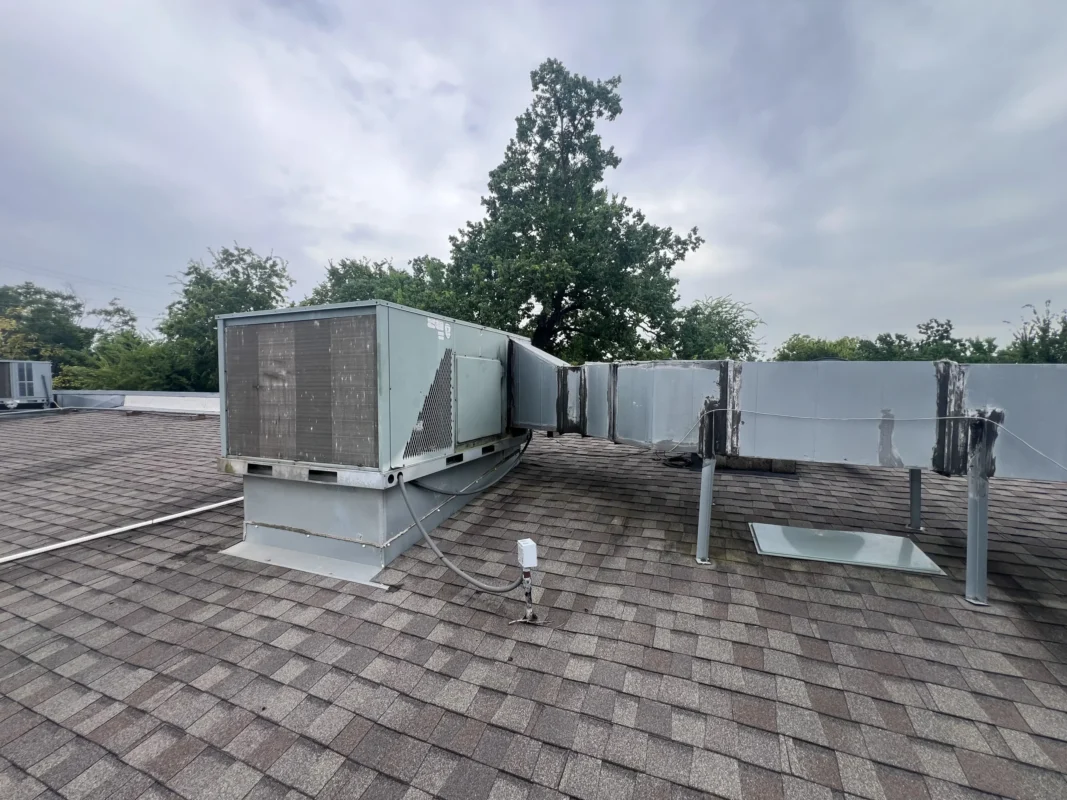
Trusted AC repair and HVAC services in East Houston neighborhoods.

Most AC problems give clear warning signals before a full breakdown happens. Catching these signs early saves Houston homeowners and business owners from expensive repairs and premature replacements. Here is exactly what a struggling system looks like in action.

Your AC Runs Constantly Without Reaching the Set Temperature

An AC running constantly without cooling the space down is one of the clearest signs of AC running constantly Houston homeowners report to us. The system is working at full capacity but cannot overcome the heat load. That gap between effort and result means something inside the system needs attention fast. Delta T (the temperature difference between air entering and leaving the AC coil) should normally sit between 14°F and 22°F. A reading outside that range tells a technician the system is struggling to transfer heat properly. Homeowners can check this themselves with a basic thermometer at the supply and return vents.

Your Electric Bill Has Spiked Without Explanation

A sudden spike in electricity costs without a change in habits is a direct sign of AC strain. CenterPoint Energy customers in Houston often see demand charges (utility penalties for peak electricity use) spike during summer months. Time of use electricity rates mean afternoon AC operation costs more per hour than any other time of day. An overworked AC draws higher amperage (electrical current) than a healthy system. That extra amperage draw shows up directly on the electricity bill every single month. Getting the system checked before the next billing cycle saves real money.

Warm or Lukewarm Air Is Coming From the Vents

Warm air coming from vents while the AC runs is a sign the system is not keeping up with the heat Houston summers produce. The system may be low on refrigerant, have a dirty coil, or be pushing too hard against a heat load it cannot handle. None of those problems fix themselves over time. Superheat and subcooling readings outside normal range confirm the system is struggling. A trained technician can measure these on site and pinpoint the exact cause. Catching refrigerant issues early prevents compressor damage down the road.

Your AC Is Short Cycling

Short cycling means the AC turns on, runs briefly, shuts off, then starts again within minutes. This is one of the most damaging patterns an AC system can fall into during Houston heat. Each start up puts enormous stress on the compressor and motor windings. AC short cycling Houston heat conditions often trace back to an oversized unit, low refrigerant, or a dirty coil blocking airflow. The system hits a false reading and shuts down before completing a full cooling cycle. That pattern repeats dozens of times a day and accelerates wear across the entire system.

Your Circuit Breaker Keeps Tripping

A circuit breaker tripping when the AC runs is not a coincidence. It means the system is drawing more amperage (electrical current) than the circuit can safely handle. That excessive draw is a direct sign the AC is straining under load. A thermal overload protector can also trigger repeated shutdowns. When this happens regularly, the compressor is running too hot to operate safely. Ignoring repeated trips leads to motor winding failure and compressor burnout.

Strange Sounds Are Coming From the Unit

A healthy AC system runs with a steady low hum. Banging, rattling, grinding, or squealing sounds mean mechanical components are failing under stress. These sounds get worse the longer the system runs without attention. Condenser fan motor seizure (when the outdoor fan motor locks up from heat and wear) produces a distinct grinding or screeching sound. A seized fan motor stops heat from leaving the outdoor unit properly. The compressor then overheats and the thermal overload protector shuts the whole system down.

Some Rooms Are Hotter Than Others

Uneven cooling across a home or business is a sign of static pressure problems (air pressure inside ductwork rising when the system is overworked). Some rooms get too much air while others get almost none. The AC runs longer trying to hit the thermostat setting but never balances the space properly. Southwest facing rooms in Houston homes heat up faster than the rest of the property during peak afternoon hours. The AC struggles hardest in those rooms and often cannot keep up. That imbalance forces the whole system to run longer and strain harder across every zone.

Houston-Specific Reasons AC Is Not Keeping Up With the Heat

Houston does not have one climate. It has several micro-climates stacked on top of each other across different neighborhoods and suburbs. An experienced HVAC contractor in Houston understands those differences and diagnoses AC problems with that local knowledge in mind.

Houston Neighborhoods That Put Extra Strain on AC Systems

Dense inner loop neighborhoods like Bellaire, West University, and River Oaks sit inside some of the hottest urban pockets in the city. Buildings, roads, and concrete surfaces trap heat and push outdoor temperatures above surrounding areas. Outdoor AC units in these neighborhoods work against higher ambient temperatures than units in open suburban areas. Newer suburbs like Pearland, League City, and Friendswood grew fast during Houston construction booms. Many units installed during those phases were sized for speed not accuracy. Those homes are now running undersized systems that strain every afternoon from June through September.

Southwest Facing Windows and Metal Roofing Making It Worse

Southwest facing windows in Houston homes take the full force of peak afternoon sun between 2pm and 6pm. That direct sun pushes indoor temperatures up faster than most AC systems can respond. The thermostat reading climbs and the system kicks into overdrive trying to catch up. Metal roofing common in newer Houston construction absorbs heat faster than traditional shingles. That heat transfers directly into attic spaces and pushes down into living areas throughout the afternoon. AC systems in these homes run longer and strain harder than systems under traditional roofing.

Northeast Houston Humidity Adding to the Heat Load

Areas like Humble, Kingwood, and Atascocita sit in the northeast corridor where Gulf humidity compounds the heat load significantly. An AC system in these areas fights both high temperatures and heavy moisture at the same time. That double load accelerates wear on compressors, fan motors, and electrical components faster than heat alone. Most AC systems are designed to handle either high heat or high humidity reasonably well. Handling both simultaneously at peak levels is a different challenge entirely. Systems in northeast Houston corridors age faster and need more frequent attention than systems in drier parts of the city.

What Happens When You Ignore a High Electric Bill and AC Strain

Ignoring a struggling AC system does not make the problem smaller. Every day a strained system runs without attention, the damage compounds. Here is exactly what happens inside an AC unit that keeps running without a fix.

The Compressor Burns Out

The compressor is the most expensive single part inside an AC system. When a system runs at full capacity for extended periods, the compressor overheats and triggers the thermal overload protector (a safety device that shuts the compressor down before it destroys itself). Repeated thermal overload trips weaken the compressor until it fails completely. Compressor burnout is one of the most expensive AC repairs on the market. Replacing a compressor often costs as much as replacing the entire outdoor unit. Most compressor failures are preventable with early diagnosis and a simple service visit.

Motor Winding Failure Shuts the System Down

Motor windings break down under sustained heat and electrical stress. When windings fail, the motor draws excessive amperage and trips the circuit breaker repeatedly. Left alone, that failure spreads to other electrical components across the system. CenterPoint Energy customers in Houston see the impact of motor winding failure directly on their bills. Excessive amperage draw from a failing motor pushes electricity costs higher with each cycle. That pattern continues until the motor fails completely or a technician catches it first.

The System Lifespan Drops Significantly

A well maintained AC system in Houston can last around 15 years. A system that runs overworked and unserviced drops that lifespan down to 8 to 10 years. That is 5 to 7 years of equipment life lost from skipping routine service calls. Warranty coverage on most AC equipment requires proof of regular professional maintenance. Running a system in a strained condition without service voids that warranty in most cases. Losing warranty protection means paying full price for every repair and replacement part out of pocket.

Energy Costs Keep Climbing

Time of use electricity rates mean afternoon AC operation costs more per hour than morning or evening use. A straining system running longer each afternoon pushes Houston homeowners and business owners into higher demand charge brackets. That cost compounds every month across a full Houston summer. HERS rating drops when AC systems run inefficiently. A lower HERS rating affects home value and energy costs long term. Getting the system back to peak efficiency brings those costs back down fast.

How an Experienced HVAC Contractor in Houston Stops AC Short Cycling

Short cycling and AC strain do not fix themselves. There are proven steps an experienced HVAC contractor in Houston takes to get a struggling system back to peak performance. Here is exactly how we at 75 Degree AC approach the problem.

We Start With a Transparent Diagnosis

Every service call at 75 Degree AC starts with a full system diagnosis before any work begins. We check delta T (temperature difference between air entering and leaving the AC coil), static pressure (air pressure inside ductwork), and amperage draw (electrical current the system pulls). That data tells us exactly what is causing the strain before we recommend a single repair. We never recommend work that is not needed. Transparent diagnosis with no surprise charges is how we operate on every single call. Houston homeowners and business owners always know exactly what is wrong and what it will cost before we touch anything.

We Fix the Root Cause 

A system short cycling in Houston heat almost always has an underlying cause. We measure superheat and subcooling (refrigerant readings that confirm system performance) to identify refrigerant issues accurately. Getting refrigerant levels right stops short cycling and reduces strain on the compressor immediately. Static pressure problems inside ductwork cause uneven cooling and force the system to run longer. We test ductwork pressure and airflow balance across every zone in the property. Fixing airflow issues often solves uneven room temperatures without replacing any equipment.

We Carry Parts for Same Day Repairs

Most AC problems do not need a return visit to complete. Our technicians carry brand specific and universal parts on every single service call across Houston. That means same day repairs are confirmed for the majority of common AC problems including capacitors, contactors, and fan motors. Getting the system fixed in one visit matters in Houston summer heat. Every hour a strained system runs without a fix adds wear and cost. Same day repair capability is one of the most practical ways we reduce downtime for Houston homeowners and business owners.

We Recommend Energy Efficient Upgrades 

Some systems are simply past the point where repairs make financial sense. We provide honest recommendations on Energy Star certified replacement units that qualify for utility rebates available for energy efficient HVAC upgrades in Texas. A properly sized replacement unit eliminates short cycling, reduces energy costs, and restores full comfort immediately. Financing is available for system replacements so cost does not become a barrier to getting the right fix. We size every replacement unit using a proper load calculation so the new system fits the property correctly. That process eliminates the undersizing problems common in fast built Houston suburbs from day one.

Full HVAC Services From 75 Degree AC Houston TX

An AC system that keeps struggling through Houston summers needs more than a quick fix. It needs a reliable local HVAC company in Houston TX that understands the climate, knows the equipment, and gets the job done right the first time. That is exactly what 75 Degree AC Houston TX delivers on every single call. 75 Degree AC has been serving Houston homeowners and business owners since 2016. Every major system replacement is attended by our most senior technicians to make sure the job meets our standards. Repeat customers and referrals drive our business because we earn that trust on every visit. We offer full HVAC services for both residential and light commercial properties across the area. That includes AC repair, AC replacement, AC tune up, HVAC inspection, and light commercial HVAC coverage. No matter the size of the property or the complexity of the system, our team handles it. Our technicians carry brand specific and universal parts on every service call. That means same day repairs are confirmed for the majority of AC problems across Houston. One call gets a trained technician to the door fast with the parts needed to fix the problem that day.

Here is what Houston homeowners and business owners get when they call 75 Degree AC:

>Full HVAC services for residential and light commercial properties

>AC repair, AC replacement, AC tune up, and HVAC inspection

>Technicians carry parts for same day repairs

>Transparent diagnosis with no surprise charges before work begins

>100% satisfaction guarantee on every job

>24/7 emergency availability

>Same day and next day service when available

>5 star rated on Google with 101+ verified reviews

Do not let a struggling AC system run through another Houston summer without attention. Call 75 Degree AC right now at (713) 598-2737. The team is ready to diagnose, repair, and restore full comfort today.

Frequently Asked Questions

How do I know if my AC is overworking in Houston?

The clearest signs are an AC running constantly without reaching the set temperature, a spiking electric bill, and warm air coming from vents during peak afternoon heat. Delta T (temperature difference between supply and return air) falling outside the 14°F to 22°F range confirms the system is struggling. Call 75 Degree AC for a transparent diagnosis with no surprise charges.

Why does my AC run all day but never cool my house down in Houston?

An AC running all day without cooling properly is almost always fighting a load it cannot handle alone. The cause is usually an undersized unit, low refrigerant, dirty coils, or ductwork with high static pressure (air resistance inside ducts blocking proper airflow). A full system diagnosis from an experienced HVAC contractor in Houston identifies the exact cause and fixes it the same day in most cases.

What happens to my AC compressor when it overworks in Houston heat?

An overworked compressor triggers the thermal overload protector (safety device that shuts the compressor off when it overheats) repeatedly until the component fails completely. Compressor burnout is one of the most expensive AC repairs available and often costs as much as full outdoor unit replacement. Getting the system checked at the first sign of strain prevents compressor damage before it reaches that point.

Why does my circuit breaker keep tripping when my AC runs?

A tripping circuit breaker means the AC is drawing more amperage (electrical current) than the circuit can safely handle. This happens when a compressor or fan motor is failing under heat stress and pulling excessive current to keep running. Repeated trips without service lead to motor winding failure and full system shutdown.

Can an oversized AC still overwork in Houston heat?

Yes. An oversized AC short cycles (turns on and off too quickly) because it cools the space too fast without removing enough humidity. That short cycling pattern puts repeated stress on the compressor and motor windings on every single start up. Houston homes with oversized units often feel cool but sticky, and the system ages much faster than a properly sized unit would.

How often should I service my AC in Houston to prevent overworking?

Most Houston homes and businesses need a professional AC tune up at least once a year before summer begins. Systems in high demand areas like Humble, Kingwood, Bellaire, and inner loop neighborhoods benefit from twice yearly service visits. Regular AC tune up Houston visits catch delta T issues, refrigerant levels, and amperage draw problems before they turn into emergency repairs.


from 75Degree AC https://ift.tt/2kdxnma
via IFTTT

Houston Humidity: How It Damages HVAC Systems and What to Do About It

At 75 Degree AC, we see how humidity and HVAC Houston problems go hand in hand every single summer. Houston air is thick, wet, and relentless from May through October, and HVAC systems carry the full weight of that moisture every day. This guide explains exactly how humidity damages AC systems, what warning signs to watch for, and what Houston homeowners and business owners can do about it.

Why Houston Humidity Creates So Many HVAC Maintenance Problems

Houston air is loaded with moisture. The city sits near Galveston Bay, and sea breezes push Gulf moisture inland every day. HVAC systems across the area have to fight that moisture from the moment they turn on. The bayous make things worse. Buffalo Bayou, Brays Bayou, and White Oak Bayou run through the heart of the city. All that open water adds even more moisture to the air around homes and businesses across the area. Houston is also flat. Flat land cannot drain moisture away naturally. That wet air sits over the city and builds up all summer long. Relative humidity (moisture in the air) regularly hits 90% or higher on Houston mornings. That is like living inside a wet sponge. HVAC systems have to pull all that water out of the air just to keep indoor spaces comfortable. Most AC systems in drier cities have an easy job. Here the moisture never stops coming. Systems run longer and work harder than they were ever designed to handle.

How High Humidity Causes AC Repair Problems in Houston Over Time

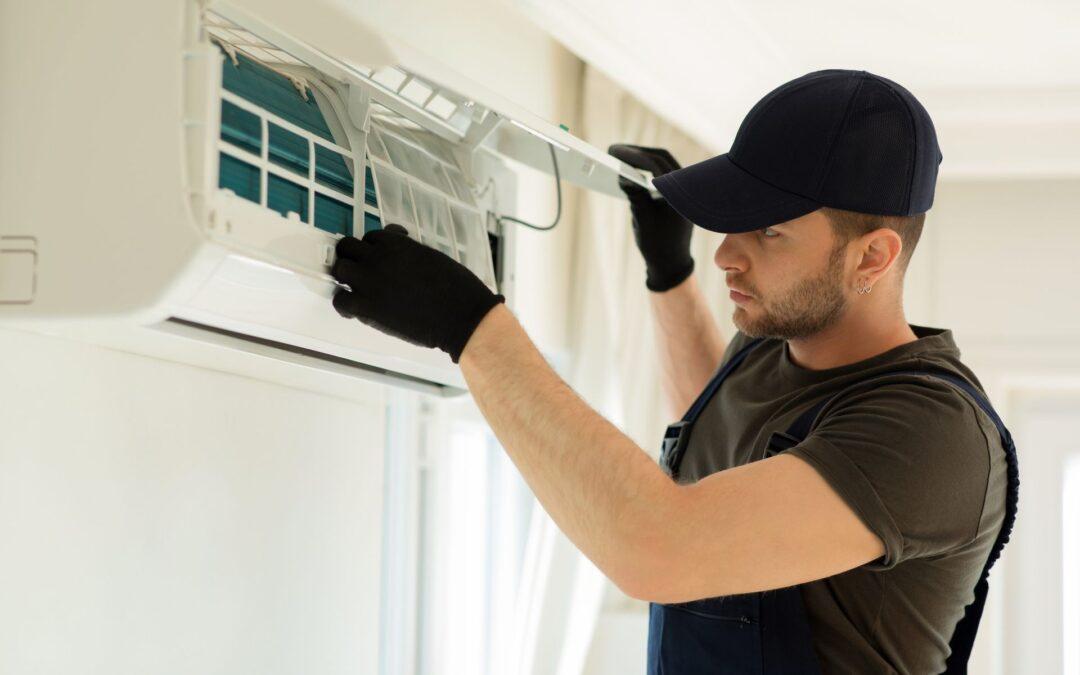
Expert HVAC solutions for commercial properties in East Downtown, Houston, TX

Most people think humidity just makes the air feel sticky. The truth is that too much moisture slowly destroys parts of an HVAC system. Here is what happens inside AC equipment when humidity stays too high for too long.

Mold and Algae in the Drain Line

The AC pulls moisture out of the air and sends it through a drain line. When humidity is high, that drain line stays wet and warm almost constantly. Algae and mold grow inside it fast, and a blocked drain line causes water to back up and overflow.

Microbial Growth Inside Ductwork

When indoor humidity climbs above 60%, microbial growth (mold and bacteria) starts forming inside ducts. Those ducts carry air to every room in a home or business. Mold spores then travel through the air supply all day long.

Rust and Corrosion on Electrical Parts

Moisture and metal do not mix well. High humidity causes rust and corrosion on AC electrical components over time. Corroded parts fail faster and cost more to replace.

Dust Mites Multiplying Indoors

Dust mite colonies explode in number when indoor humidity stays above 50%. They trigger allergies, asthma, and breathing problems. Controlling humidity is one of the most effective ways to reduce dust mites in a home or business.

Wood Rot and Structural Damage

Persistent moisture causes wood rot and structural warping in walls, floors, and ceilings. Older homes in neighborhoods like The Heights are especially vulnerable because building envelopes were never fully sealed. Moisture wicks up through concrete and works into every corner of the structure.

Attic Mold From Humid Air

Warm humid air rises. When ceilings are not properly sealed, that air pushes up into the attic and gets trapped. Attic mold forms quickly in those conditions and spreads silently for months before most homeowners or business owners notice it.

Signs Air Conditioning Humidity Control in Houston Is Failing

AC systems give clear signals when losing the fight against moisture. Catching these signs early saves Houston homeowners and business owners from bigger damage down the road. Here is what to watch for inside a home or business.

Home Still Feels Sticky Even With the AC Running

This is the most common complaint we hear. The AC is running but the air still feels heavy and damp. That means the system is cooling the air but not removing enough moisture from it.

Condensation on Windows

Condensation on the inside of windows means the air inside a home is too humid. The AC should be removing that moisture before it settles on surfaces. Window condensation is a clear sign the system is struggling.

Musty Smell Coming From Vents

A musty smell coming from vents almost always means mold or mildew is growing somewhere inside the system. That smell travels through ducts and spreads through every room. Do not ignore it.

AC Runs Constantly but Never Feels Comfortable

When an AC runs for long stretches without making the air feel better, humidity is usually the reason. The system is working hard on temperature but cannot keep up with the moisture load. This is one of the clearest signs of AC not removing humidity Houston homeowners and business owners experience.

Wet Spots or Water Stains Near the Indoor Unit

Water pooling around an indoor unit means the drain line is blocked or overwhelmed. A blocked drain line is a direct result of heavy humidity and algae buildup. Left alone, that water damages floors, walls, and the unit itself.

Allergies or Asthma Feel Worse Indoors

High indoor humidity feeds dust mites and mold spores. Both are powerful allergy and asthma triggers. When symptoms feel worse inside than outside, indoor humidity levels in Houston are likely too high.

Walls or Ceilings Feel Damp to the Touch

Damp walls mean moisture is moving through a home’s structure. This happens when indoor humidity stays high for weeks without being controlled. It is a warning sign that damage to walls and ceilings may already be starting.

What Every Houston Homeowner Should Know About Indoor Humidity Levels

Most people never think about humidity levels inside a home. They just know something feels wrong. Here is a simple breakdown of what indoor humidity should actually look like. High humidity is not just a comfort issue. It causes real damage to HVAC systems, indoor air quality, and the structure of a home or business. Getting familiar with humidity numbers is the first step to fixing the problem for good.

The Target Range Is 45% to 55%

Most HVAC professionals recommend keeping indoor humidity between 45% and 55%. Below 45% and the air starts to feel dry and uncomfortable. Above 55% and moisture problems start building up fast.

Above 60% Is Where Real Damage Starts

When indoor humidity climbs above 60%, microbial growth starts forming inside ductwork. Dust mite colonies multiply and mold spores spread through the air supply. That is where homes and businesses across the area start seeing real health and structural problems.

Houston Outdoor Humidity Makes Indoor Control Hard

Outdoor humidity here regularly sits above 75% on summer afternoons. Every time a door opens, that moisture floods into a home or business. The AC has to work overtime just to pull it back down to a safe level.

Standard AC Alone May Not Be Enough

A standard AC removes moisture as a side effect of cooling the air. This process uses latent heat (moisture removal energy) and works fine in drier cities. Here the moisture load is often too heavy for a standard system to handle alone.

A Humidistat Helps Track Indoor Levels

A humidistat (humidity sensor and controller) takes the guesswork out of moisture control. It works like a thermostat but for humidity instead of temperature. Some smart thermostats come with a built-in humidity display so indoor levels are always visible.

The Dew Point Tells You More

The dew point (temperature where moisture forms on surfaces) is another useful number to watch. When it climbs above 65°F outside, indoor spaces feel muggy no matter what the thermostat says. Houston regularly sees dew points above 70°F during summer months.

How a Trusted HVAC Contractor in Houston Tackles Humidity Problems

As an expert HVAC contractor in Houston, we do not just diagnose humidity problems. We fix them fast and make sure they stay fixed.  We fix them fast and make sure they stay fixed. Here is exactly how we help Houston homeowners and business owners take control of indoor moisture. Humidity damage builds up quietly over weeks and months. By the time most people notice something is wrong, the system has already taken a hit. We catch those problems early and stop them before they turn into expensive repairs.

We Set the AC Fan to Auto

Most thermostats have two fan settings. Auto and On. We always set the fan to Auto so it only runs when the AC is actively cooling. Running the fan on On pushes moisture back into the air before the drain line can remove it.

We Flush the Drain Line on Every Maintenance Visit

The drain line carries moisture away from the AC system. When algae and mold block it, water backs up and humidity rises fast. We include drain line flushing in every maintenance visit so Houston homes and businesses never deal with that problem.

We Install Whole Home Dehumidifiers That Actually Work

A whole home dehumidifier works alongside the AC to pull extra moisture out of every room. It runs around the clock and keeps indoor humidity in the safe zone all summer long. Every dehumidifier installation Houston homeowners and business owners book is handled by our most experienced HVAC technicians from start to finish.

When to Call 75 Degree AC for Humidity and HVAC Help

Humidity problems do not fix themselves. The longer the wait, the more damage moisture does to the system, air quality, and the property. The right move is to call a local team that understands Houston humidity and HVAC problems inside and out. 75 Degree AC Houston TX is a trusted HVAC company in Houston TX that has been serving homeowners and business owners since 2016. Every major install handled by experienced HVAC technicians  The team handles everything from routine maintenance visits to full whole home dehumidifier installation. Every job comes with a 100% satisfaction guarantee. Financing is available for system replacements and major equipment upgrades. No Houston homeowner or business owner should ever have to put off a fix because of the upfront cost. Humidity and moisture problems do not wait for business hours. Our team is available 24 hours a day, 7 days a week for emergency HVAC help. One call gets a trained technician to the door fast. 75 Degree AC serves homes and businesses across Houston and the surrounding areas. That includes Katy, Sugar Land, Cypress, The Woodlands, Spring, and Pasadena. No matter where a property is located across the area, the team is close by and ready to help.

Here is what Houston homeowners and business owners get when they call 75 Degree AC:

Full HVAC services for residential and commercial properties

Whole home dehumidifier installation

Drain line flushing included in maintenance visits

24/7 emergency availability

100% satisfaction guarantee

Financing available for system replacement

Same day and next day service when available

5 star rated on Google with 101+ verified reviews

Do not let Houston humidity quietly damage an HVAC system, air quality, or a home or business. Call 75 Degree AC right now at (713) 598-2737. The team is ready to help today.

Frequently Asked Questions

Why does a house feel humid even when the AC is running in Houston?

The AC cools the air but may not be removing enough moisture from it. This happens when a system is oversized, short cycling (turning on and off too quickly), or when outdoor humidity is simply too heavy for a standard AC to handle alone. A whole home dehumidifier or a humidistat helps solve this problem for good.

What is the ideal indoor humidity level for a Houston home?

The ideal indoor humidity level for a Houston home or business is between 45% and 55%. Above 60% and mold growth, dust mite colonies, and structural damage start appearing. Keeping humidity in that target range keeps the air clean, the system healthy, and the property protected.

Can high humidity damage an HVAC system?

Yes. High humidity causes algae and mold to grow inside the condensate drain pan (the tray that catches water from the AC). It also causes rust and corrosion on electrical components and microbial growth inside ductwork. Getting regular HVAC maintenance Houston helps catch moisture damage before it becomes a costly repair.

Do Houston homes need a whole home dehumidifier?

Most Houston homes and businesses benefit greatly from a whole home dehumidifier. A standard AC system was not built to handle the level of moisture the area produces from May through October. A whole home dehumidifier works alongside the AC and keeps indoor humidity levels in the safe zone around the clock. Call 75 Degree AC at (713) 598-2737 to ask about dehumidifier installation Houston.

What is a humidistat and is one needed in Houston?

A humidistat is a device that reads and controls the moisture level in indoor air. It works like a thermostat but for humidity instead of temperature. Houston homes and businesses that install a humidistat can monitor indoor humidity levels and automatically trigger dehumidification when moisture climbs too high.

How does short cycling make humidity worse in Houston homes?

Short cycling means the AC turns on and off too quickly without completing a full cooling cycle. Most moisture gets removed during the middle and end of each cycle. When the system shuts off too early, that moisture stays in the air and indoor spaces feel sticky and uncomfortable all day long.


from 75Degree AC https://ift.tt/OR2zAqn
via IFTTT

The Real Reasons AC Units Fail in Houston Summers and When to Call for AC Repair

At 75 Degree AC, we handle AC repair in Houston, TX every single summer, and we see the same problems over and over again. Summers are brutal on air conditioners, with temperatures hitting 95°F and humidity pushing past 90% most mornings. This guide explains exactly why AC units fail here, what warning signs to watch for, and how to keep your home cool all season long.

Why Houston’s Climate Causes So Much Air Conditioning Repair Every Summer

Houston summers are not normal. Temperatures regularly hit 95°F or higher, and the heat index can push past 110°F. George Bush Intercontinental Airport recorded an all-time high of 109°F, a reminder of just how extreme it can get. Your AC has to work twice as hard just to keep up. Houston also sits close to the Gulf of Mexico. That means morning humidity can exceed 90% during summer months. The average annual humidity across the city is around 75%, and your AC feels every bit of it.

Most cities get a break from the heat at night. Harris County, Fort Bend County, and Montgomery County all record over 102 days per year at or above 90°F. Your AC runs almost nonstop from May through October. The attics make things even worse. Attic temperatures in homes get high in summer. That extreme heat puts pressure on your ducts and your whole system.

The city sits in a humid subtropical climate zone. Gulf Coast storm season runs from May to October and brings power surges and flooding. Outdoor AC units deal with flash flooding, debris, and storm damage every single year.

The Most Common Reasons Your AC Is Not Cooling Your Houston Home

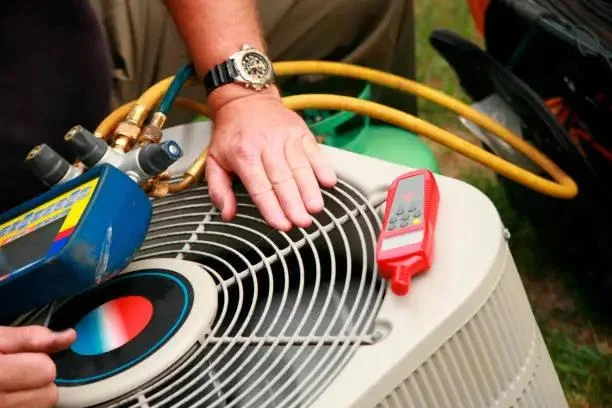
Trusted HVAC services in Meyerland and surrounding neighborhoods

Clogged Air Filters

Your air filter catches dust, dirt, and debris before it enters your AC system. When the filter gets too dirty, air cannot flow through it properly. Your AC then works harder than it should, and that extra strain causes breakdowns.

A clogged filter is one of the easiest problems to prevent. Most of the homes need their filters changed every 30 to 60 days during summer. Staying on top of AC maintenance Houston keeps your filter clean and your system running smoothly. Signing up for an AC maintenance plan means a trained HVAC professional handles this for you on a set schedule so nothing gets missed.

Low Refrigerant Levels

Refrigerants must stay at the right level. When levels drop too low, your AC blows warm air instead of cold. Your home stays hot no matter how low you set the thermostat.

Low refrigerant almost always means you have a leak somewhere in the system. This is not a problem you can fix yourself. You need a licensed technician to find the leak, seal it, and recharge your system properly.

Ignoring low refrigerant damages your compressor. Replacing a compressor can cost as much as replacing the whole unit. Scheduling AC repair in Houston,TX early saves you from a much bigger bill later.

Frozen Evaporator Coils

Your evaporator coil needs steady airflow to work. When airflow is blocked or refrigerant is low, the coil gets too cold and freezes over. A frozen coil cannot absorb heat, so your AC stops cooling your property.

You might notice ice forming on your indoor unit or warm air coming from your vents. Turn your AC off immediately to let the coil thaw. Running a frozen system causes serious damage to the compressor.

Getting a regular AC tune up Houston helps catch the conditions that cause coils to freeze. A technician will check airflow, refrigerant levels, and coil condition before summer starts. Catching these issues early keeps your system running through the hottest months.

Failing Capacitors and Contactors

A capacitor takes a beating in Houston summers. Extreme heat wears capacitors down faster than in cooler climates. When a capacitor fails, your AC simply will not turn on. A contactor can also burn out from heavy use. You might hear a clicking or humming sound coming from your outdoor unit. That sound often means a contactor is struggling or has already failed.

Both parts are small, but their failure stops your whole system cold. This kind of sudden breakdown is exactly when you need emergency AC repair Houston. Our team at 75 Degree AC responds fast so your home & business does not stay hot for long.

Overloaded Condenser Units

Your condenser unit works in direct sunlight all summer long. In Houston, TX that means it runs in extreme heat for months without a real break. Over time, that constant workload causes parts to wear out faster.

Dirt, grass clippings, and debris collect around the condenser and block airflow. When the unit cannot release heat properly, it overheats and shuts down. Keeping the area around your condenser clean helps it breathe and run better.

A professional HVAC inspection Houston catches condenser problems before they turn into full breakdowns. Our technician will clean the coils, check electrical connections, and make sure the unit is running safely. Catching condenser issues early is far cheaper than replacing the whole outdoor unit.

Houston HVAC Problems Every Local Contractor Sees Every Summer

Attic Heat and Duct Failure

Most Houston homes store their ductwork in the attic. During summer, attics can reach temperatures between 130°F and 150°F. That extreme heat damages duct insulation and causes ducts to crack, sag, and separate at the joints.

When ducts leak, cool air escapes into your attic instead of reaching your rooms. Your AC runs longer trying to hit the temperature you set. Your energy bill goes up and your home stays uncomfortable no matter how hard your system works.

Older homes built before the 1990s are especially at risk. The original ductwork in these homes was not built for today’s heat demands. Scheduling air duct cleaning Houston and a duct inspection helps you find leaks before they quietly drain your system all summer. Leaking ducts also pull unfiltered attic air into your home, which directly affects indoor air quality homeowners often overlook until allergy symptoms start.

Summer Storms and Power Surges

The city sees around 60 thunderstorms every single year. Those storms bring lightning, power outages, and sudden voltage spikes called power surges . A single power surge can fry your AC’s circuit board in seconds.

The ERCOT power grid that serves most of the city also struggles under peak summer demand. Grid strain causes brief outages and voltage fluctuations that wear down AC electrical components over time. Most homeowners do not realize storm damage is hurting their AC until the system stops working completely.

Flash flooding is another Houston-specific threat that most people overlook. Floodwater can reach outdoor condenser units and damage electrical parts, fan motors, and wiring. After any major storm, it is smart to have a technician check your outdoor unit for hidden damage.

Getting HVAC repair Houston after storm season catches electrical damage early. A licensed technician can inspect your circuit board, electrical connections, and outdoor unit for storm-related wear. Fixing small electrical issues now prevents a full system failure on the hottest day of the year.

Improperly Sized Units for Houston Homes

A lot of homeowners do not know their AC might be the wrong size for their home. An undersized unit runs nonstop and never fully cools the house. An oversized unit (one that is too big) short cycles, meaning it turns on and off too quickly without removing enough humidity.

The humidity makes short cycling especially damaging. Your AC removes moisture from the air as it runs. When the system shuts off too soon, that moisture stays in your property and makes everything feel sticky and uncomfortable.

Proper AC sizing uses a process called a load calculation. Many older installations skipped this step entirely. That means thousands of homes are running units that were never right for them in the first place.

Slab foundation homes have unique airflow needs that affect sizing too. Getting the right size unit installed correctly makes a huge difference in comfort and energy costs. Talk to our team about AC installation Houston to make sure your next unit is sized right for your home.

Warning Signs You Need AC Repair or a New AC Unit in Houston

Your AC usually gives you warning signs before it stops working completely. Catching these signs early can save you from a full breakdown on the hottest day of the summer. Here is what to watch for in your Houston home.

  • Your AC Is Blowing Warm Air

This is the most obvious sign something is wrong. Your vents should always push out cool air when your AC is running. Warm air usually means low refrigerant, a frozen coil, or a failing compressor.

  • Your Energy Bill Suddenly Jumps Up

A higher electric bill without a change in your habits is a red flag. Your AC is working harder than it should to cool your home. That extra effort almost always points to a problem inside the system.

  • Your AC Is Short Cycling

Short cycling means your AC turns on and off every few minutes instead of running full cycles. This puts enormous stress on your compressor (the heart of your AC system). Homeowners often ignore this sign until the compressor fails completely.

  • You Hear Strange Noises From Your Unit

A healthy AC runs quietly in the background. Banging, grinding, squealing, or rattling sounds are not normal. These noises often mean a fan motor, blower motor, or loose part is failing inside your system.

  • You Notice Warm or Humid Spots in Home

Some rooms feeling warmer or stickier than others is a sign of trouble. It usually points to duct leaks, poor airflow, or an undersized unit struggling to keep up. That extra humidity makes every problem feel worse inside your house.

  • Water or Ice Around Your Indoor Unit

A little condensation is normal, but pooling water or visible ice is not. Ice on your evaporator coil (the part that absorbs heat from your air) means airflow is blocked or refrigerant is low. Left alone, this leads to compressor damage and a much bigger repair bill.

  • Weak Airflow From Your Vents

Hold your hand near a vent while your AC runs. The air should feel strong and steady. Weak airflow points to a clogged filter, a failing blower motor, or leaking ducts somewhere in home.

  • Your AC Is More Than 10 to 15 Years Old

Age matters a lot in Houston. An AC system that runs nonstop for months every year wears out faster than in cooler cities. Older units lose efficiency, break down more often, and cost more to run each summer, at that point AC replacement Houston is often the smarter investment over another repair.

Noticing any of these signs in your home & property means it is time to act. Do not wait for a full breakdown in the middle of a heatwave. Homeowners searching for HVAC repair near me trust 75 Degree AC to respond fast and fix the problem right. Schedule an AC inspection today and catch the issue before it gets worse.

How to Avoid AC Breakdowns With HVAC Maintenance in Houston

The best way to handle AC failure in Houston is to stop it before it starts. Most summer breakdowns are not sudden, they build up from small issues that go unchecked through spring. 

A few simple steps before June arrives can keep your system running all season long.

Change your air filter every 30 days during summer. Clear debris and vegetation from around your outdoor condenser unit. Check that all your vents are open and unblocked.

Scheduling a professional AC tune up Houston before Memorial Day is the smartest move you can make. An experienced technician will inspect your coils, check refrigerant levels, test your capacitors, and clear your condensate drain line. Systems that get a pre-summer checkup give out far less than systems that go into summer unchecked.

When to Call 75 Degree AC for AC Repair in Houston

Houston summers do not give you time to wait and see. When your AC starts showing problems, every hour of delay makes your property hotter and the repair bigger. The right move is to call a trusted local HVAC contractor who knows systems inside and out.

75 Degree AC has been serving Houston homes & business since 2016. We are a licensed HVAC contractor & locally owned. Our technicians work on Houston AC systems every single day, so we know exactly what fails, why it fails, and how to fix it fast.

We handle everything from routine repairs to full system replacements. No matter the brand, the age, or the problem, our team gets it cooled again. When you need AC repair Houston or air conditioning repair Houston, we are the best HVAC company you can count on.

We also know that AC systems do not always fail during business hours. A breakdown at 9pm on a Friday in July is just as urgent as one on a Monday morning. That is why we offer emergency AC repair Houston with 24/7 availability so you are never left sweating through the night. We serve homeowners & businesses across Houston and surrounding areas including Katy, Sugar Land, Cypress, The Woodlands, Spring, and Pasadena.

Here is what you get when you call 75 Degree AC:

  • Licensed, certified HVAC technicians
  • Fast response times across Houston
  • Honest diagnosis before any work begins
  • Clear pricing with no hidden fees
  • $85 service fee waived when a repair is completed
  • Free estimates on full system replacement
  • Same-day and next-day service when available

Do not let a failing AC turn your Houston home into a sauna. Call 75 Degree AC right now at (713) 598-2737. We are ready to help you today.

Frequently Asked Questions

What are the most common reasons AC units fail in Houston summers?

The most common reasons AC units fail in Houston are clogged air filters, low refrigerant, failing capacitors, and overloaded condenser units. Houston’s extreme heat and humidity push AC systems harder than in most other cities. Systems that skip regular maintenance break down faster because small problems build up over time. Scheduling AC maintenance Houston before summer starts is the best way to avoid a breakdown.

How do I know if my AC needs repair or full replacement?

Your AC likely needs repair when it has one specific problem like a bad capacitor, a refrigerant leak, or a frozen evaporator coil. Replacement makes more sense when your system is over 15 years old, breaks down repeatedly, or cannot keep up with Houston summers anymore. A good rule of thumb: repairs costing more than half the price of a new unit make replacement the smarter choice. A licensed technician can give you an honest answer after a full system inspection.

How much does AC repair cost in Houston?

Most AC repairs in Houston range from a few hundred dollars for simple fixes to over a thousand dollars for major component replacements. At 75 Degree AC, our standard service fee is $85 and covers full system diagnostics. That fee is waived completely when you move forward with a repair. For a clear and honest quote, call us at (713) 598-2737 or book your AC repair in Houston, TX online today.

Why do AC units in Houston break down faster than in other cities?

AC units in Houston stop working because they run almost nonstop for five to six months every year. Harris County records over 102 days per year at or above 90°F, and morning humidity regularly exceeds 90%. That kind of constant demand wears out parts like capacitors, fan motors, and compressors much faster than in cooler climates. Houston attic temperatures reaching 130°F to 150°F add even more stress to ductwork and the overall system.

What should I do first when my AC stops working in Houston?

Turn your AC system off at the thermostat right away to prevent further damage to the compressor. Check your air filter and circuit breaker first since a clogged filter or tripped breaker is sometimes the only problem. Do not keep resetting the system repeatedly, as this can cause serious damage to electrical components. Call 75 Degree AC or book emergency AC repair Houston and we will get a technician to your home fast.


from 75Degree AC https://ift.tt/zhY12pL
via IFTTT

Signs Your AC Is Overworking in Houston Heat and How to Stop It Before It Breaks Down

At 75 Degree AC, we diagnose AC overworking Houston problems every summer before they turn into full system failures. Houston heat is relent...